Why is comparing security guards vs CCTV the wrong question?
The conversation often starts quietly. One person reviews last year’s spend. Another mentions cameras. Before long, the discussion narrows to whether guards or CCTV would make more sense. It sounds practical, yet it reduces a layered risk problem into a single decision.
Looking at security guards vs CCTV as a straight comparison creates false equivalence. Cameras observe activity. People decide how to respond. Each plays a different role within a security system, and neither replaces the other. When budget pressure leads, choices tend to reflect cost rather than exposure.
More experienced operators tend to pause at this point. Instead of focusing on equipment, they look at what needs protecting, when pressure builds, and who carries responsibility when conditions shift. Practical risk assessment frameworks support this thinking by anchoring decisions in operational context, governance, and operational maturity rather than preference.
What Do We Cover In This Article?
What CCTV does well and where it stops short
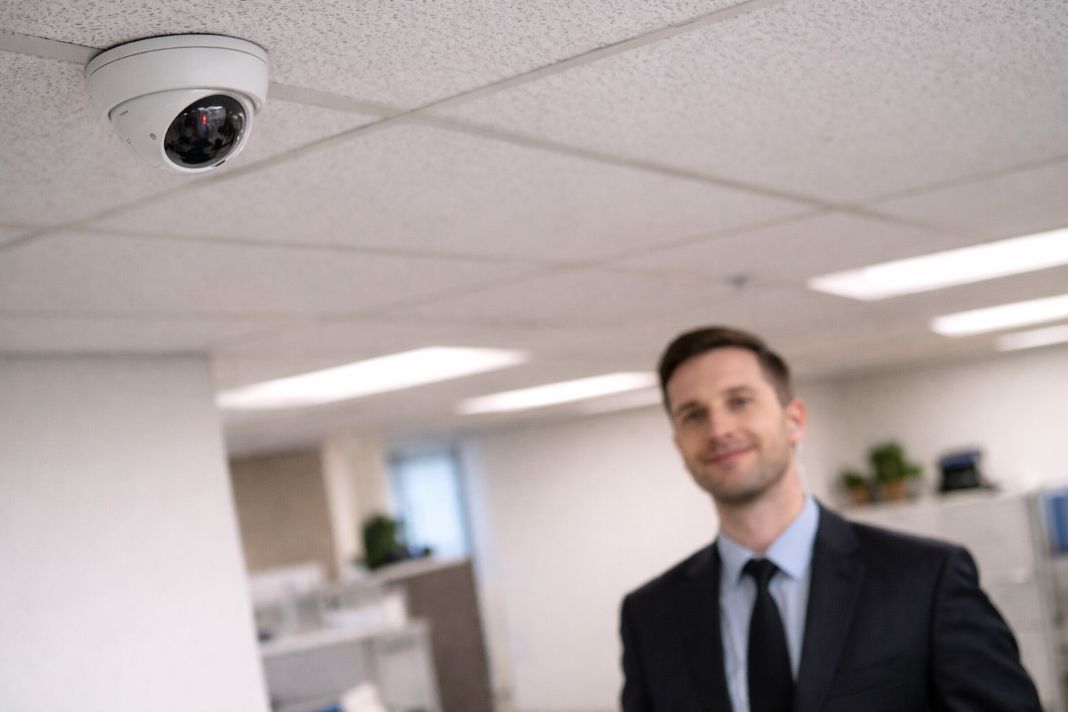
CCTV works best as a continuous observational layer. Camera surveillance extends visibility across entrances, shared areas, and perimeters that would otherwise depend on occasional checks. Within CCTV control rooms, live monitoring and recorded footage help teams confirm events, identify patterns, and review incidents accurately.
That same consistency is also the limit. CCTV monitoring shows what is happening but cannot act on it. A camera may capture behaviour escalating without understanding intent or influencing outcome. Blind spots, viewing angles, and reliance on passive monitoring reduce effectiveness when cameras operate alone. Governance also shapes use. Data protection considerations affect who can access footage, how long it is retained, and how it is reviewed. Visibility can support accountability, yet authority still sits elsewhere, and evidence gathered later rarely prevents harm at the moment it unfolds.
What on-site security guards provide that technology cannot
On-site security guards bring judgement into situations that do not follow scripts. They read tone, body language, and atmosphere as events develop. This situational awareness often allows intervention before a situation hardens into an incident.
A visible physical security presence influences behaviour immediately. Guards give direction, apply discretion, and manage interactions in real time. Conflict management training supports calm, proportionate response, particularly where human behaviour sits at the centre of the risk.
Accountability remains clear. Actions are logged. Procedures are followed. Decisions are reviewed. Supported by SIA licensing, manned guarding places responsibility directly on site rather than at a distance.
Pro Tip: Security works best when detection and response are planned together rather than purchased separately.
Strengthen On Site Protection
From manned guarding to CCTV monitoring, we deliver structured and compliant security.
Where standalone security setups usually fail
Weaknesses usually appear between noticing a problem and acting on it. CCTV alone may highlight an issue, but response lag emerges when ownership of the next step is unclear. Guards operating without CCTV can respond quickly, yet miss early indicators developing elsewhere.
These conditions create ownership gaps. Alerts are seen but not escalated. Responsibility is assumed rather than assigned. Over time, operational silos form between observation and response.
Failure here is rarely dramatic. Small delays and unclear handovers repeat until confidence drops or a near miss becomes a serious incident.
From detection to response: closing the action gap
Every incident follows a sequence. Something is noticed. Someone decides whether it matters. Someone responds. Risk increases when that sequence lacks clarity.
Effective security response processes define verification, escalation, and attendance in advance. Control centres coordinate this sequence, keeping response timing consistent and predictable.
When roles are understood, verification happens quickly and responsibility is clear. The gap between detection and response narrows because decisions are expected rather than improvised.
How guards and CCTV actually work together on well-run sites
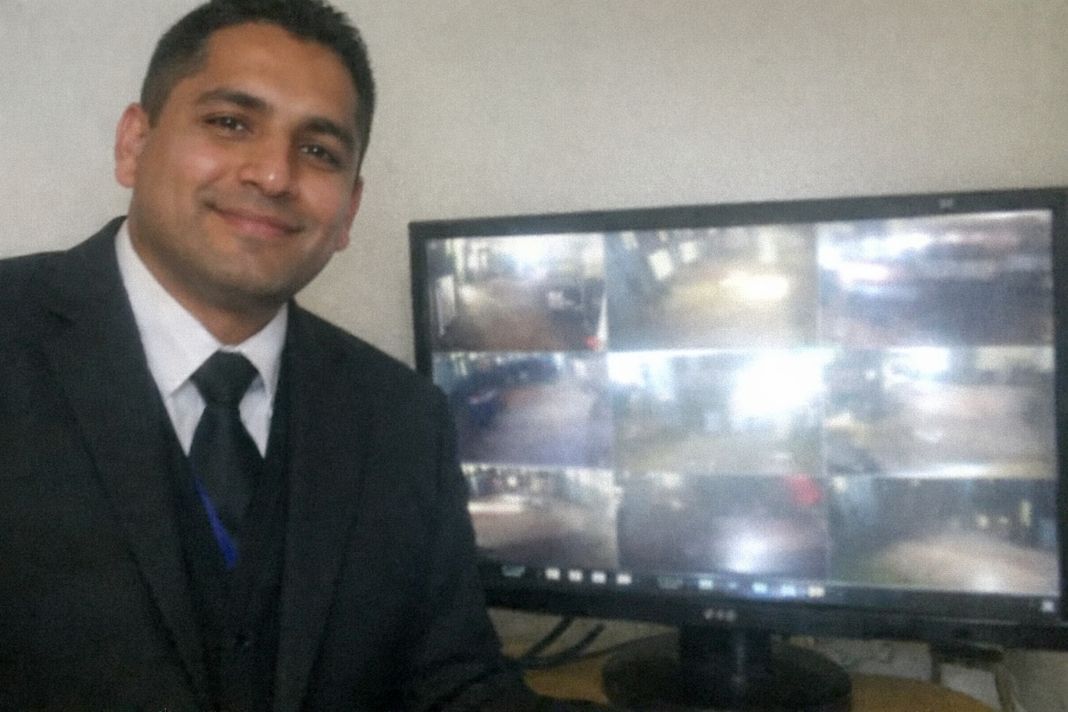
On well-managed sites, cameras and guards operate as a single system. CCTV highlights areas that need attention, allowing guards to adjust patrols instead of following fixed routes.
Guards then validate what cameras show. By confirming whether activity represents genuine risk or routine behaviour, they reduce unnecessary escalation and focus effort where it matters.
Shared visibility supports coordinated response across a shift. Integrated security behaves like a working relationship that adapts to conditions, rather than a collection of tools.
Why integrated security reduces risk, not just incidents
The impact of integration extends beyond individual events. Clear ownership reduces confusion when pressure builds. Staff confidence improves when support is visible and dependable.
Over time, this approach supports operational risk management by limiting escalation and protecting continuity. Reputational protection follows when issues are handled consistently, particularly in environments where public perception and trust matter.
There is also a steadier operational effect. Fewer unresolved incidents mean fewer internal distractions, less informal firefighting, and clearer reporting lines.
Security resilience develops as systems absorb disruption without destabilising daily operations.
Pro Tip: If responsibility is unclear after an alert, the system will fail under pressure.
Review Your Site Security Setup
Get an expert view on how guards, CCTV, and response should work together on your site.
How experienced operators decide what balance they need
There is no fixed ratio between guards and CCTV. Decisions usually begin with security planning that reflects how a site operates and where risk concentrates.
Footfall, operating hours, and tolerance for disruption influence resource allocation. A logistics site, residential building, and retail environment each present a distinct operational context.
Reviews continue as conditions change. Proportional security depends on adjustment rather than static coverage.
Why the best sites treat security as a system, not a toolset
Sites with stable outcomes tend to think in systems. Technology and people sit within governance, oversight, and long-term planning rather than isolated decisions.
Compliance standards, audits, and regular reviews keep integrated site security aligned with real conditions. Security becomes part of routine management rather than a periodic purchase.
Seen this way, professional security management is about continuity, accountability, and responsibility over time.