What makes luxury retail security different from standard retail protection?
Luxury stores face unique risks due to the high value of their inventory, the prominence of their brand, and the expectations of a discerning clientele. These factors require a more structured and discreet security approach that goes beyond typical retail measures.
What Do We Cover In This Article?
The Unique Risk Profile of Luxury Retail
The security demands of luxury retail differ significantly from general retail settings. While most retail premises contend with occasional shoplifting or antisocial behaviour, high-end retailers face more targeted threats. These include organised crime groups, high-value theft, and reputational risks linked to any visible security lapse.
Brand perception shapes expectations. Customers entering a premium store often expect a seamless, welcoming experience without overt signs of security. However, this discretion cannot come at the cost of exposure to risks. The challenge lies in designing security measures that are both effective and unobtrusive.
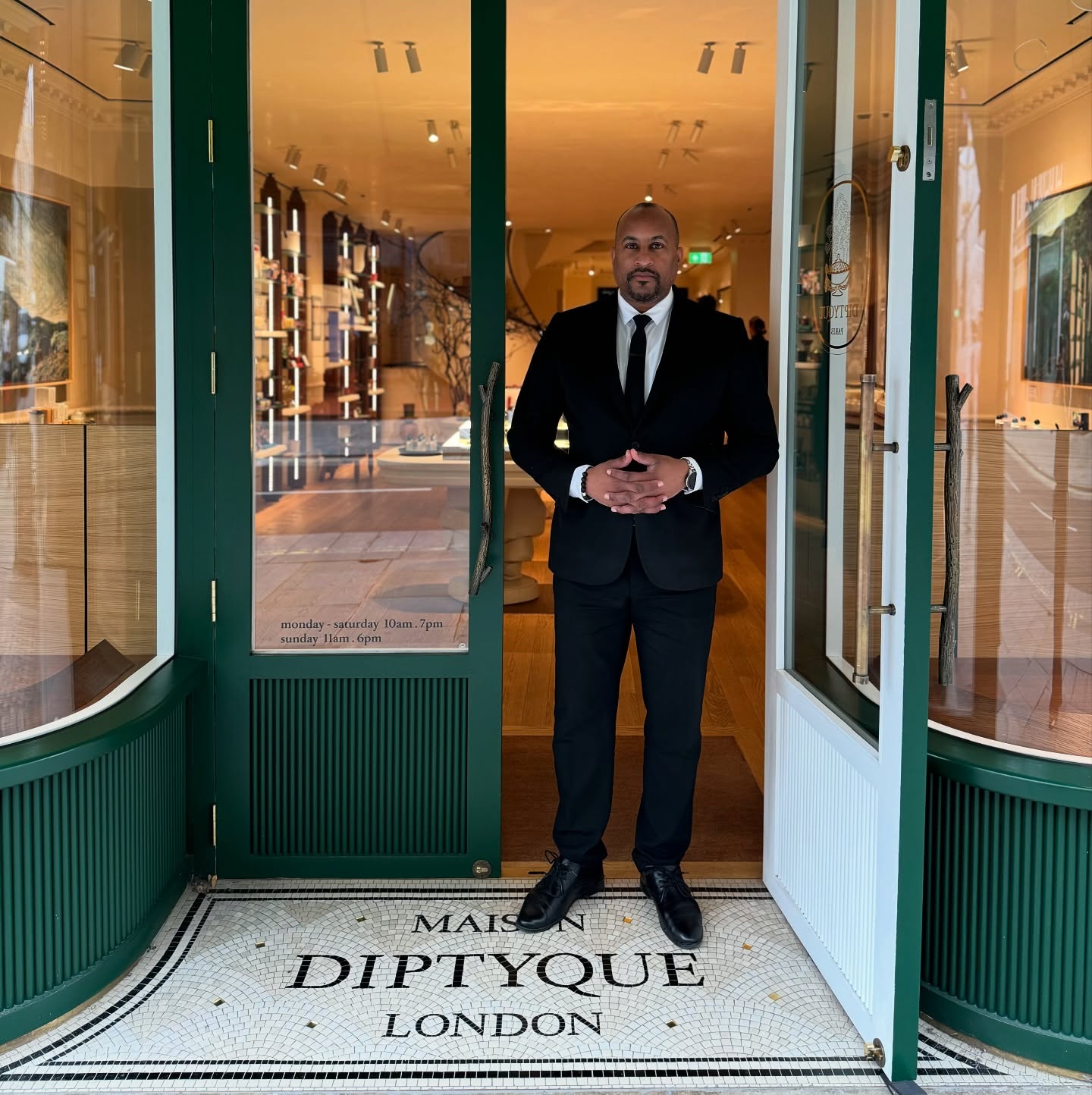
Visible deterrents such as uniformed guards or overt surveillance may work in mass-market environments, but in luxury settings, they can disrupt ambiance. Here, discretion matters. Smart surveillance, trained staff and low-visibility intervention protocols are all preferred.
Targeted theft and premeditated intrusions tend to focus on high-value goods like jewellery, designer accessories and limited-edition items. These items are expensive in monetary terms, but also deeply tied to brand reputation.
Luxury stores must also balance their security priorities with the need to deliver exemplary customer experiences, which means that anything that feels intrusive or excessive may damage long-standing relationships.
Pro Tip: Use access logs from smart systems to identify patterns in store traffic and refine protocols during peak periods.
Book a Security Consultation
Get expert advice tailored to your luxury retail environment. We offer assessments that align security with your customer experience.
24/7 Monitoring and Rapid Incident Response
A static guard on the door provides presence, but presence alone does not ensure protection. In high-value retail, events can unfold quickly, and how incidents are handled in the first few seconds often determines outcomes.
Continuous monitoring, with structured incident response capability, is important. This includes remote viewing via CCTV, tightly integrated alarm systems and prompt on-site team coordination.
Key elements of this approach include:
- Control centre coordination: Centralised control rooms provide live oversight and guide response actions minute-by-minute.
- CCTV and alarm integration: Footage and alerts from cameras, motion detectors and alarm points must converge into a single platform.
- Layered escalation protocols: Pre-defined responses depending on the level of threat ensure clarity under pressure.
- Police liaison: Strong liaison processes with local authorities increase the speed and effectiveness of law enforcement support.
Companies such as Double Check Security Group use a 24-hour control centre to manage incidents across retail estates, combining camera feeds, alarm triggers and guard dispatch in real time.
In luxury settings, failure to act swiftly can be more damaging reputationally than financially. That is why monitoring must be active, not passive, with the infrastructure and personnel to act decisively.
Improved Access Control and Entry Management
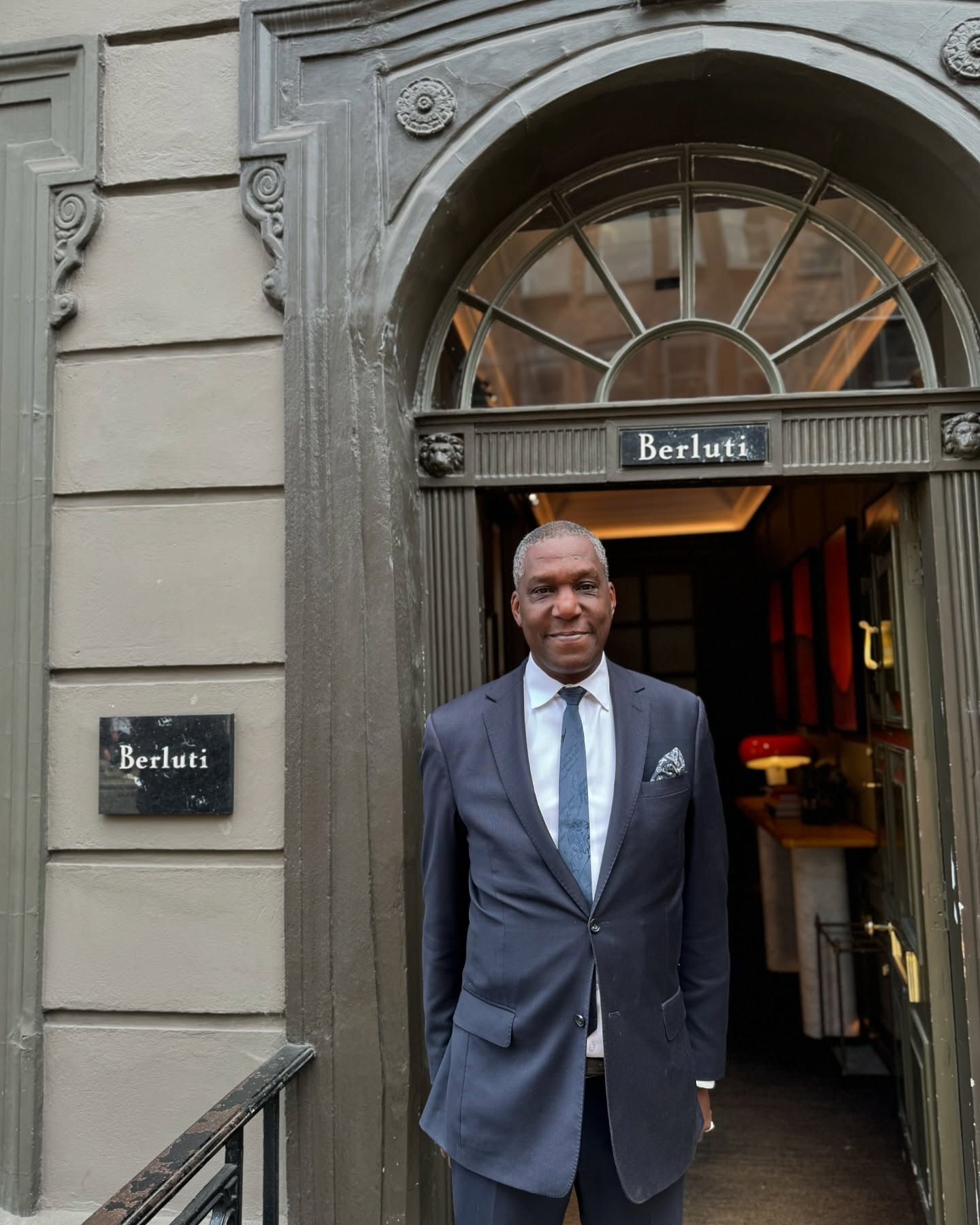
Managing who enters and exits a luxury store is more than a formality. It is a daily operational discipline that supports both security and experience.
At its best, access control feels seamless. Doors open where expected, staff are identifiable and private appointments occur discreetly. At its worst, delays or visible screening can alienate high-value customers.
Key access control measures include:
- Smart systems: These include entry logging, timed access zones and remote verification, reducing reliance on manual checks.
- VIP management: High-net-worth individuals often request private viewing or closed-doors service, requiring appointment-based access control.
- Contractor and delivery screening: Back-of-house entries must be secured and scheduled to prevent accidental weaknesses.
- Key holding services: Trusted third parties manage important access when store teams are off-site, ensuring building security remains intact during silent hours.
During seasonal spikes or exclusive product launches, proactive access restrictions combined with high staff visibility can prevent overcrowding and potential breaches, without eroding the in-store atmosphere.
Double Check Security Group implements controlled access frameworks that limit entry to designated times and personnel, ensuring secure operation without interrupting brand experiences.
Pro Tip: Incorporate security training into customer experience onboarding to align store atmosphere and staff response.
Specialist Staff Training for High-End Environments
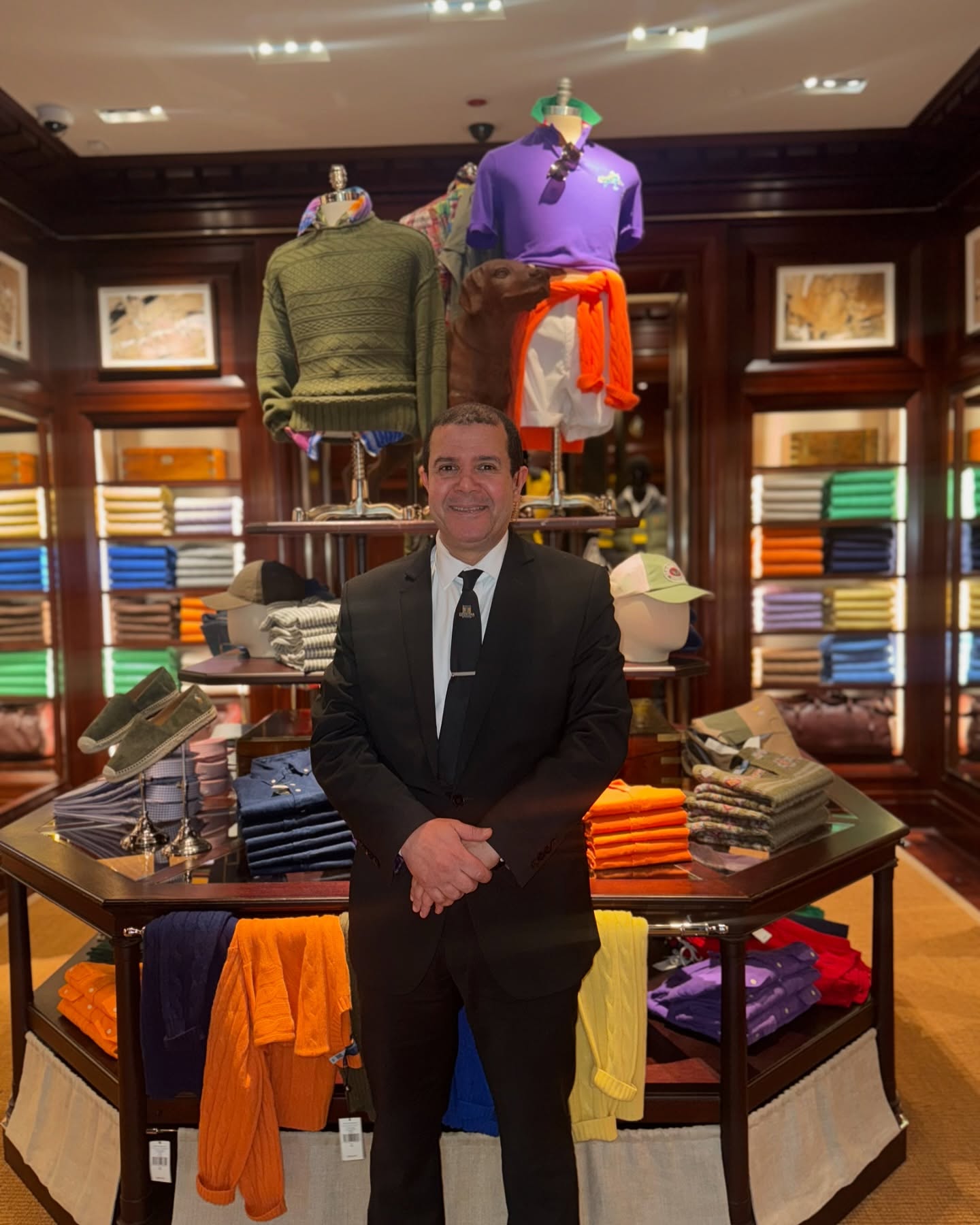
In high-end retail, security teams are often among the first and last people a customer interacts with. Their conduct, appearance and tone contribute directly to the perception of the brand.
Standard training is not enough. Guards must be equipped with soft skills and situational awareness appropriate for luxury environments.
Key attributes include:
- Discreet posture: Security must maintain vigilance without appearing intrusive.
- Customer interaction: Friendly, professional engagement when required, especially during private appointments or high-profile visits.
- Conflict handling: De-escalating issues quickly, calmly and with minimal disruption is important to preserving the retail environment.
- Alignment with client tone: Uniforms, grooming and conduct standards must reflect the brand ethos.
- Structured induction processes: Each site requires location-specific training that covers not just security, but also etiquette, floor layout and brand protocols.
For example, Double Check Security Group integrates brand-specific modules into its induction routines, particularly for roles stationed in flagship retail or boutique sites. This ensures staff blend seamlessly into the overall customer experience while holding clear operational responsibilities.
Request a Site Security Audit
Identify vulnerabilities and improve on-site protection with a professional audit conducted by our experienced team.
Surveillance That Balances Discretion and Deterrence
CCTV and surveillance systems serve dual functions in luxury retail. They must deter criminal intent while instilling confidence in the reliability of the store’s security posture. However, their presence must not feel oppressive.
Where cameras are placed, how visible they are, and how they blend into the design, is a key consideration. Over-surveilling can create discomfort, while too little visibility reduces deterrent effect.
Factors to consider include:
- Camera positioning: High-traffic areas such as entryways, till points and display counters must remain monitored without becoming cluttered.
- Analytics integration: Motion detection and behavioural analytics assist in identifying potential threats before incidents occur.
- Design integration: Cameras finished or mounted to match interior design schemes maintain aesthetic cohesion.
- Privacy compliance: Systems must adhere to GDPR and SIA guidelines, particularly in areas where customer privacy is important.
- Live versus recorded monitoring: Balance between real-time response and post-incident review depends on store risk profile.
In effective installations, customers barely notice the security technology, but those with intent to steal are quickly aware they are being observed and recorded.
Scenario Planning and Emergency Preparedness
While rare, high-impact scenarios such as protest activity, smash-and-grab attempts or coordinated theft require structured preparation. The more prepared the team and systems are, the more contained and less disruptive the outcome.
Preparedness planning includes:
- Evacuation procedures: Defined routes and roles for staff during emergencies, communicated and rehearsed regularly.
- Scenario-based training: Teams must be trained for context-specific incidents without relying solely on generic drills.
- Threat escalation protocols: Staff should understand when to escalate concerns and how to do so efficiently.
- Coordination with authorities: Fast, accurate information sharing with police and emergency responders is important.
- Business continuity alignment: Security must form part of a wider resilience strategy, supporting faster recovery and minimal downtime.
Upcoming legislation such as Martyn’s Law will place additional legal expectations on sites to prepare for potential threats, particularly those hosting public events or larger footfall gatherings. Structured cooperation between operations, facilities and security leaders will ensure compliance without compromising service.
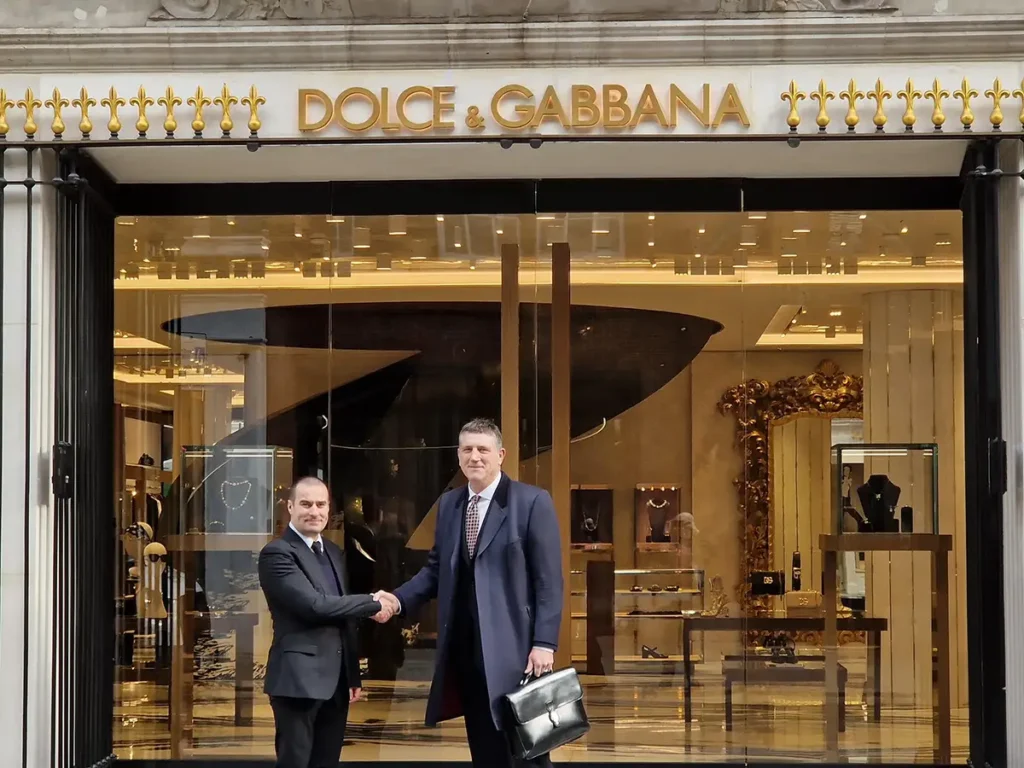
Surveillance That Balances Discretion and Deterrence
CCTV and surveillance systems serve dual functions in luxury retail. They must deter criminal intent while instilling confidence in the reliability of the store’s security posture. However, their presence must not feel oppressive.
Where cameras are placed, how visible they are, and how they blend into the design, is a key consideration. Over-surveilling can create discomfort, while too little visibility reduces deterrent effect.
Factors to consider include:
- Camera positioning: High-traffic areas such as entryways, till points and display counters must remain monitored without becoming cluttered.
- Analytics integration: Motion detection and behavioural analytics assist in identifying potential threats before incidents occur.
- Design integration: Cameras finished or mounted to match interior design schemes maintain aesthetic cohesion.
- Privacy compliance: Systems must adhere to GDPR and SIA guidelines, particularly in areas where customer privacy is important.
- Live versus recorded monitoring: Balance between real-time response and post-incident review depends on store risk profile.
In effective installations, customers barely notice the security technology, but those with intent to steal are quickly aware they are being observed and recorded.
Scenario Planning and Emergency Preparedness
While rare, high-impact scenarios such as protest activity, smash-and-grab attempts or coordinated theft require structured preparation. The more prepared the team and systems are, the more contained and less disruptive the outcome.
Preparedness planning includes:
- Evacuation procedures: Defined routes and roles for staff during emergencies, communicated and rehearsed regularly.
- Scenario-based training: Teams must be trained for context-specific incidents without relying solely on generic drills.
- Threat escalation protocols: Staff should understand when to escalate concerns and how to do so efficiently.
- Coordination with authorities: Fast, accurate information sharing with police and emergency responders is important.
- Business continuity alignment: Security must form part of a wider resilience strategy, supporting faster recovery and minimal downtime.
Upcoming legislation such as Martyn’s Law will place additional legal expectations on sites to prepare for potential threats, particularly those hosting public events or larger footfall gatherings. Structured cooperation between operations, facilities and security leaders will ensure compliance without compromising service.
Integrated Facilities and Security Management
In many luxury stores, the first point of failure is the gap between teams. Security, cleaning, access and maintenance each play a role in overall protection, yet often operate in isolation.
An integrated model aligns these services under a single operational framework. This improves oversight, reduces duplication and closes off potential weak points.
Comparison:
Siloed Setup
- Overlapping responsibilities
- Gaps during shift transitions
- Inconsistent reporting across teams
Integrated Approach
- Unified supervision
- Shared protocols and language
- Single source of accountability
Double Check Security Group applies this model across sites by combining security supervision with facilities and hygiene oversight. For store leadership, this results in fewer points of contact, clearer accountability and a more coordinated daily operation.
Whether managing spill response, overnight access or planned events, an integrated team delivers smoother execution and faster adaptation to change.
Strong security in luxury retail is about structuring spaces, people and processes to protect brand equity without disrupting customer delight. Each measure must feel intentional, intelligent and quietly effective.