How do security needs differ between shopping centres and high street stores?
Shopping centres and high street stores face notably different security challenges due to contrasts in physical layout, public access, operational structure, and stakeholder responsibilities. Each environment requires targeted security planning, staff deployment, and technology choices to manage its unique risks effectively.
What Do We Cover In This Article?
Understanding the Core Security Environments
Security provision in retail is shaped first by the physical and operational characteristics of the site. Shopping centres typically feature enclosed environments with multiple entry and exit points, a range of shared spaces, complex tenancy arrangements, and significant public footfall concentrated at key times. By contrast, high street stores are self-contained, often with direct access from the pavement, and operate as standalone premises or within smaller clusters.
Several core distinctions inform security delivery:
- Access Points: Shopping centres present multiple points of ingress and egress, requiring coordinated monitoring and access control. High street stores generally have one main public entrance, simplifying control but increasing the importance of clear sight lines.
- Foot Traffic and Crowd Control: Shopping centres experience peaks of concentrated public movement, particularly during weekends, holidays, and events. High street stores see steadier but less dense flows, influenced by location and nearby amenities.
- Shared vs. Private Spaces: In shopping centres, responsibility for common areas and services is typically centralised under a property manager. High street stores remain responsible for their internal spaces and immediate frontage.
- Tenancy and Landlord Roles: Shopping centre arrangements centralise many security functions, while high street environments often see individual tenants or landlords managing their own security infrastructure.
Understanding these structural differences lays the groundwork for targeted security strategy and resource allocation.
Pro Tip: Integrate cleaning and security teams where practical to enhance overall site awareness and optimise operational efficiency.
Discuss Integrated Services for Your Site
Explore options for streamlined security, cleaning, and facilities management tailored to your property type. Our team will provide a customised proposal.
Risk Profiles and Threat Landscapes
The risk landscape in retail is active, shaped by local crime trends, seasonality, and the specific vulnerability profile of each environment.
Shopping centres face:
- Higher exposure to organised retail crime due to the concentration of multiple stores and attractive targets
- Increased incidence of anti-social behaviour, including loitering and unauthorised gatherings in common areas
- Complex crowd management during promotions or emergencies where coordinated response is important
High street stores, on the other hand, encounter:
- Greater vulnerability to individual shoplifting and opportunistic theft due to direct street access
- Exposure to vandalism during quieter periods or overnight closures
- A higher likelihood of lone working, increasing personal safety concerns
Both environments require incident reporting, coordination with local police and council crime prevention initiatives, and risk assessment to anticipate and mitigate threats. The specific profile of each site shapes priorities, whether that is crowd control in a shopping centre or after-hours protection for a high street store.
Security Staffing and Operational Models
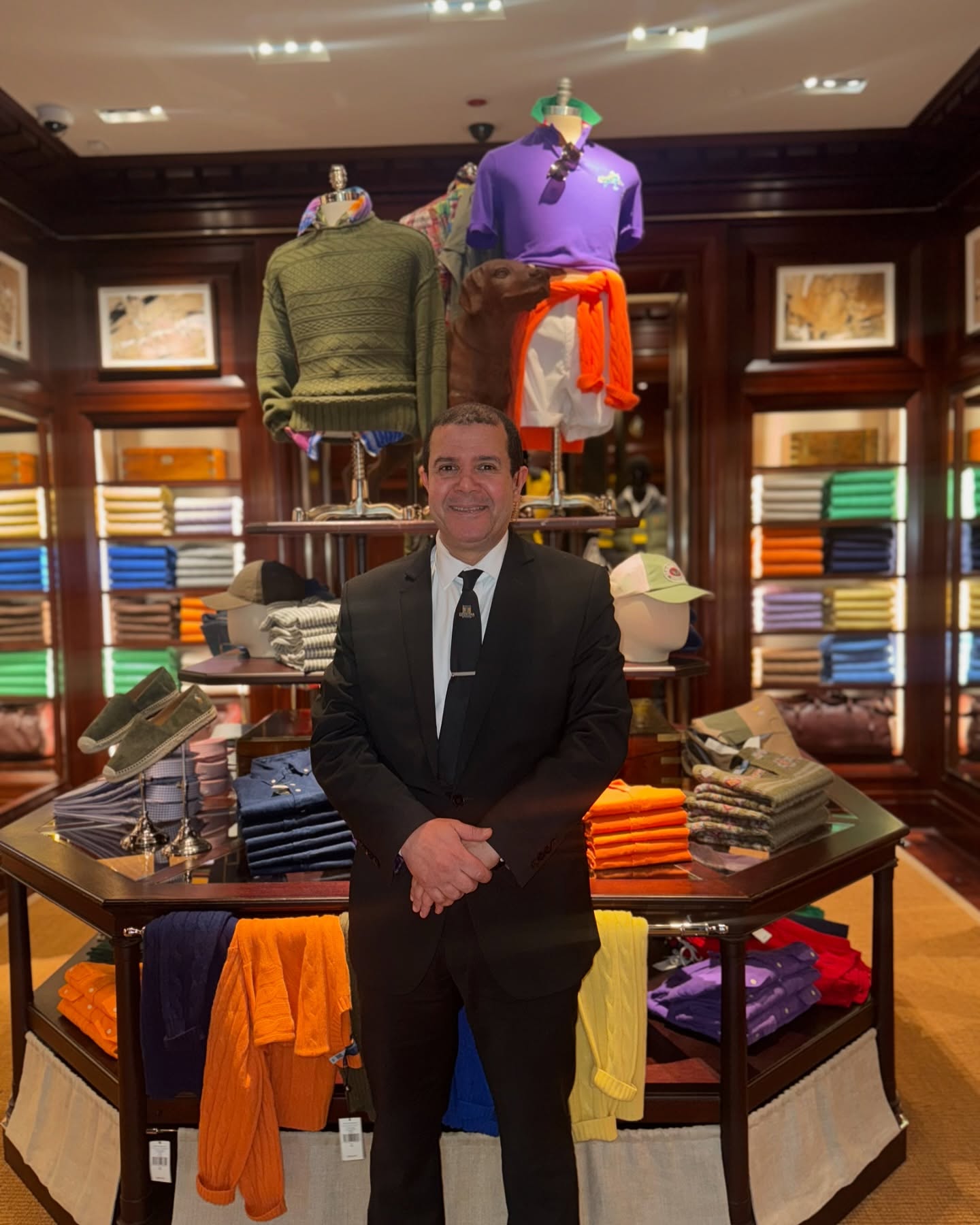
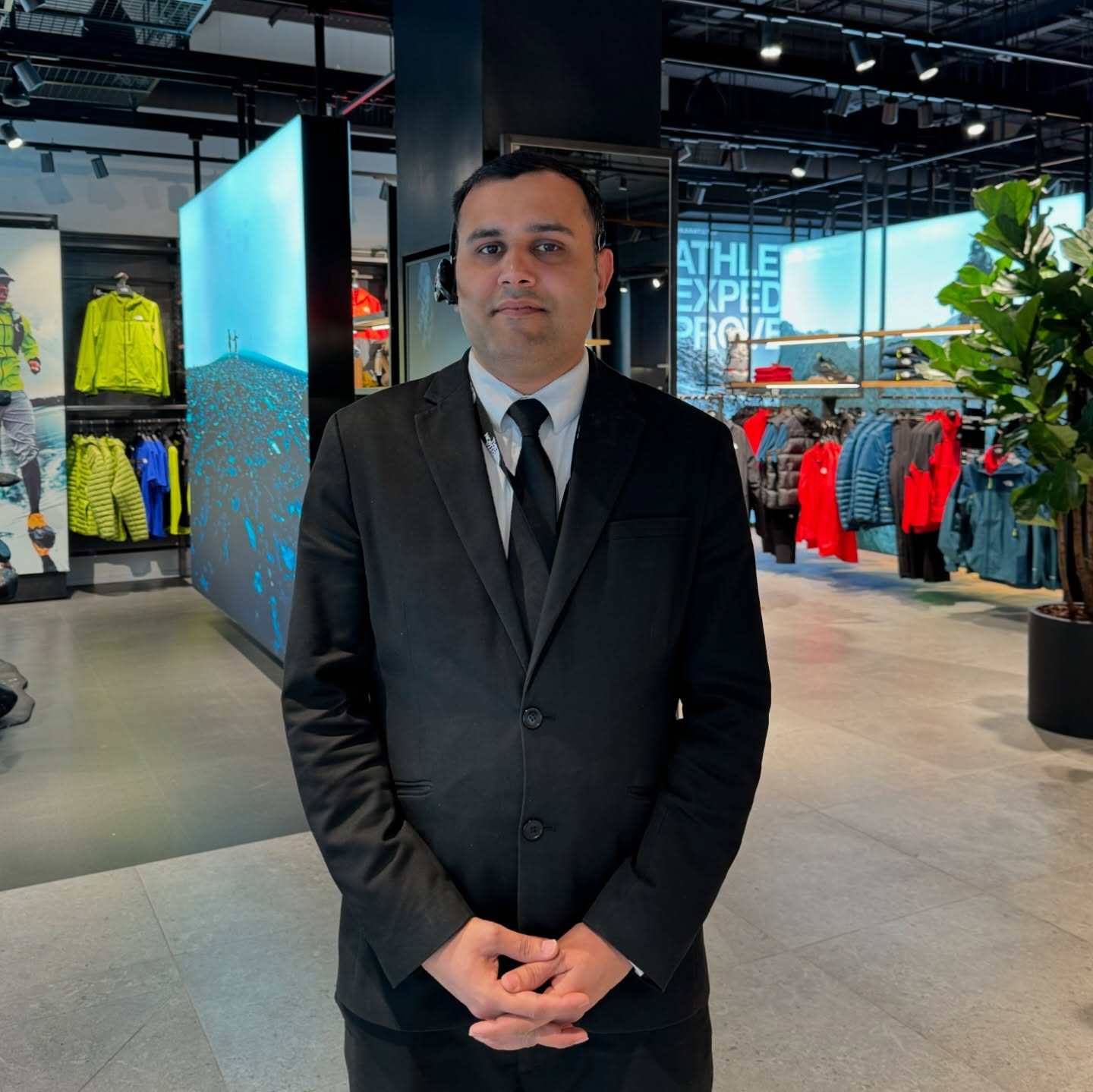
Staffing strategies in retail security reflect the underlying operational realities of the site. Shopping centres frequently adopt a centralised security team managed by an on-site supervisor, supporting coordinated patrols, monitoring, and response across a broad footprint. Rosters are planned to cover peak periods and provide overlapping coverage, especially during late trading or special events.
High street stores typically rely on a smaller security presence, often involving lone workers or limited teams integrated with wider facilities or cleaning staff. Shift patterns may vary to reflect trading hours or neighbourhood-specific risks. Oversight is usually handled remotely by facilities management providers or periodic site visits.
Specialist providers, such as Double Check Security Group, structure teams and processes to suit each environment. For example, daily staff briefings, rigorous induction, and performance monitoring support consistent delivery in shopping centres, while lone worker safety protocols and remote support underpin high street operations. Integration with cleaning and concierge services further increases operational flexibility and efficiency.
Pro Tip: Schedule regular reviews of your security technology and protocols to ensure they remain aligned with current risks and regulatory standards.

Technology, Surveillance and Access Control
Technology is a fundamental layer in any retail security strategy, but its deployment differs markedly by site.
- CCTV Systems: Shopping centres use extensive, integrated camera networks covering both public areas and service corridors, all monitored from a central control room. High street stores often employ more targeted surveillance, focusing on entrances, exits, and key sales areas. Footage is frequently managed on site or through remote monitoring centres.
- Access Control: Shared spaces in shopping centres necessitate sophisticated access solutions for staff entrances, delivery bays, and plant areas, often with electronic key management and audit trails. High street stores usually rely on simpler lock-and-alarm arrangements, prioritising secure entry points and restricted staff areas.
- Alarm Response: Centralised alarm protocols in shopping centres enable immediate coordination with on-site teams or third-party monitoring services. High street stores depend on alarm monitoring centres to trigger mobile response or police attendance.
- System Integration: Major providers ensure that surveillance and alarm systems are integrated for efficient incident escalation and evidence gathering. For example, Double Check Security Group standardises system checks and reporting routines across diverse sites to maintain operational continuity.
The effective use of technology supports both deterrence and response, making it important for retail security planning.
Stay Compliant with UK Security Standards
Ensure your operation meets regulatory requirements and best practice guidelines. Our experts offer advice on SIA licensing, data protection, and staff training.
Compliance, Standards and Regulatory Considerations
Retail security in the UK operates within a rigorous regulatory environment, underpinning both quality and accountability.
Key compliance areas include:
- SIA Licensing: All security personnel must hold valid SIA licences and operate under the standards of the Approved Contractor Scheme. This applies equally in shopping centres and high street stores.
- Health and Safety: Providers are responsible for ensuring risk assessments, safe working practices, and staff training are current and documented. Regular audits support ongoing compliance.
- Data Protection and Privacy: CCTV operation is subject to strict data handling protocols. Operators must ensure footage is securely stored and access is restricted in line with GDPR and industry best practice.
- Industry Standards: Providers demonstrate wider compliance through accreditations such as ISO 9001 (Quality Management) and other sector-specific certifications.
Differences may arise due to site challenge and technology deployment, however, the principles of accountability and continuous oversight remain consistent across environments.

Tenant, Landlord and Stakeholder Coordination
Security outcomes depend significantly on the ability of different parties to collaborate efficiently. In shopping centres, security management and rapid incident response are generally overseen by the landlord or property management company, who coordinate across multiple tenants, cleaning teams, and facilities contractors. Central communication protocols and regular stakeholder meetings help effective information sharing and joint decision-making.
For high street stores, tenants or landlords take direct responsibility for their own premises, establishing their own arrangements for service providers, incident escalation, and regulatory reporting. Coordination with neighbouring businesses or local authorities may be necessary for area-wide issues, but is usually less formal.
A practical scenario illustrates this difference: in a shopping centre, a fire alarm triggers a coordinated building-wide evacuation managed by the property team. On the high street, the same event is handled by each store individually, with coordination led by local emergency services.
Understanding these coordination models helps property managers and store owners simplify their arrangements and clarify lines of responsibility.
Cost Structures and Value Considerations
Security budgeting reflects underlying operational needs and the value placed on risk management, not just the scale of the site.
Key considerations include:
- Cost Models: Shopping centres often benefit from economies of scale, sharing the costs of centralised teams and technology platforms among tenants. High street stores bear direct costs themselves, which may lead to leaner service models or bundled arrangements with cleaning and maintenance.
- Service Integration: Integrated service contracts that combine security, cleaning, and facilities management can deliver value in both environments by reducing duplication and creating operational synergies.
- Budget Planning: Long-term service agreements provide greater financial predictability and enable continuous improvement. Short-term or ad-hoc contracts may be less efficient and require more hands-on management.
- Value Assessment: Decision-makers should periodically review cost allocation against security outcomes to ensure ongoing fit for purpose.
Transparency in cost structure allows managers to justify security expenditure in the context of broader business objectives.
Conclusion: Making the Right Security Choices
Retail environments are as varied as the security solutions they require. Shopping centres and high street stores differ in layout, risk profile, staffing needs, technology deployment, compliance, and stakeholder relationships. Recognising these contrasts enables property managers and business owners to make informed, context-appropriate decisions.
Main points to keep in mind:
- The physical and operational environment shapes security strategy.
- Risks, threats, and required responses vary considerably by site type.
- Professional providers such as Double Check Security Group deliver structured, compliant security services tailored to each context.
- Ongoing review and adaptation help maintain the right fit as business needs and regulatory requirements evolve.
Careful evaluation of each element ensures that retail premises remain secure, welcoming, and compliant for staff, customers, and stakeholders alike.