What are the best ways to secure your commercial property over the Christmas holidays?
To keep your commercial premises secure during the festive season, businesses should take proactive steps that blend physical presence, intelligent surveillance systems and detailed operational reviews. With higher footfall, temporary workers and reduced staffing levels, this time of year brings a greater risk of theft, vandalism or unauthorised access. Here are five reliable practices to help safeguard your site and maintain business continuity during holidays.
What Do We Cover In This Article?
1. Use manned guarding to create a visible deterrent
Having trained guards on site offers a visible and active presence. It helps deter intruders and provides immediate assistance if an issue arises.
Security officers should keep watch over key entrances, patrol vulnerable areas and respond quickly to any suspicious behaviour. The required number of personnel will depend on your property layout and customer flow.
By working with a licensed security firm that provides manned guarding contracts, you can ensure your site is protected by qualified personnel who are trained to meet British Security Industry Association standards.
Benefits of manned guarding
-
Visible presence reduces opportunities for theft and damage
-
Fast intervention is possible when incidents occur
-
Supports stretched in house teams during peak times
Pro Tip : Seasonal staff should be given short daily security briefings to prevent simple mistakes.

Need Licensed Security Guards Fast
Our SIA licensed professionals are ready to protect your site this festive season.
2. Combine access control systems with security staff oversight
Pairing access control with in person checks increases your level of protection. Whether you use keycards or biometric scanners, having guards verify entries strengthens overall site control.
Seasonal workers should be issued limited credentials, and all access should be monitored in real time. This helps you track who goes where and when, and allows for entry point monitoring to prevent misuse.
Using both technology and staff judgement ensures fewer errors and tighter security for restricted area access.
Benefits of this integration
-
Only approved individuals can enter secure zones
-
Reduces the chance of misuse or oversight
-
Keeps site activity visible and accountable

3. Pair CCTV with real time monitoring for fast response
CCTV does its best work when someone is actively watching. Trained personnel in a centralised security control room can step in immediately if they see a threat.
Position commercial grade cameras with video analytics around entrances, exits, car parks and delivery areas. Use providers like Axis Communications or ADT to install systems with live surveillance capability.
Live monitoring means action can be taken instantly, while surveillance footage is recorded for any required investigations.
Why this pairing works
-
Guards can respond while issues are happening
-
Video provides reliable evidence for investigations
-
Staff can see what is happening across the site
Pro Tip : Install motion activated lighting early in the season to discourage loitering before peak hours hit.
Get a Holiday Security Plan in Place
Avoid seasonal risks with a tailored security strategy for your property.
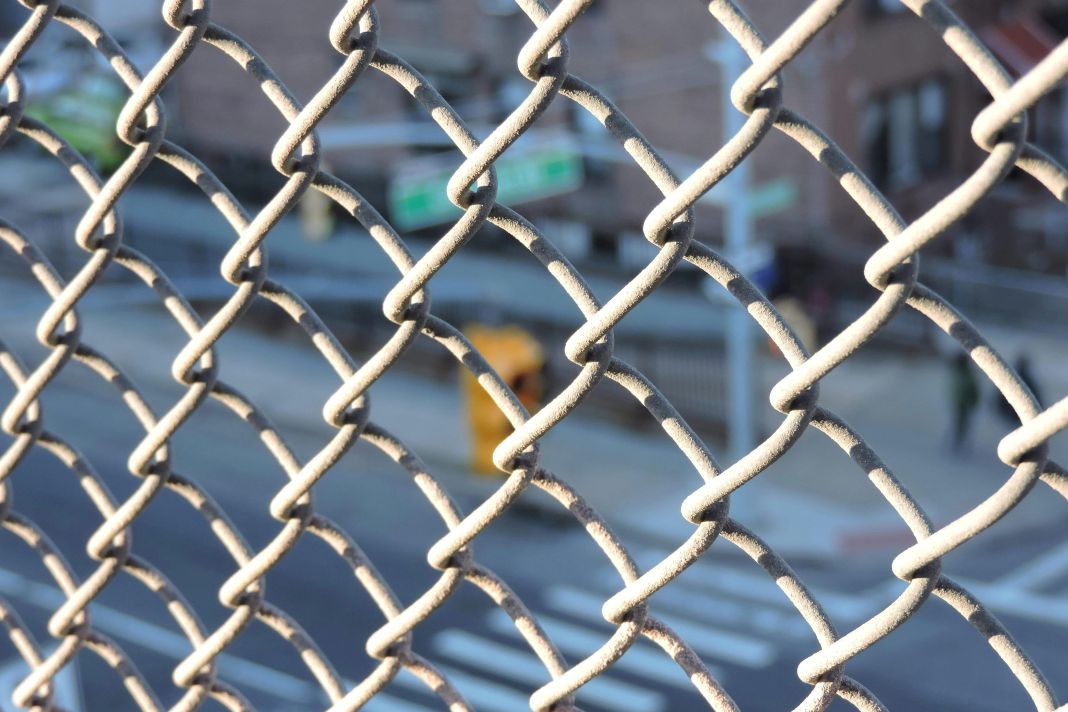
4. Strengthen perimeter and external area security
Outdoor areas often go unnoticed but they present some of the biggest risks. Lighting, patrols and visible coverage can stop incidents before they begin.
Motion activated lights increase visibility and help cameras perform better. Guards should check deliveries and make sure goods are never left unattended. External surveillance and perimeter breach detection systems help monitor parking areas and reduce risk.
Working with a team that understands perimeter monitoring helps reduce issues in car parks and loading zones.
Key reasons to secure these zones
-
Protects assets stored outside or in vehicles
-
Shows that the site is being watched and checked
-
Makes people feel safer coming and going
5. Conduct a post holiday security assessment
Once the festive season winds down, review what worked and what did not. Go through incident logs, talk to staff and security teams, and make adjustments.
You may need to keep extra guards in place if risks are still present. Use feedback to improve policies, shift planning and system coverage.
A security consultant can help carry out a property security audit and highlight blind spots through an operational debrief.
Post season security review checklist
-
Review records and staff reports from the period
-
Look for weak spots or areas that need better cover
-
Update routines and staffing plans for next time

How can training temporary staff improve site security
Seasonal staff bring new energy but also new risk if they are untrained. A quick and clear briefing helps them avoid common mistakes.
Make sure new team members know how to report issues, use their access passes properly and spot unusual behaviour. Giving them a point of contact helps them stay confident and informed.
Clear written instructions and daily reminders help reinforce important rules. Include seasonal employee procedures in your onboarding.
What to include in temporary staff briefings
-
Location of emergency exits and meeting points
-
How to report if badges or keys are lost
-
Steps for handling deliveries or unexpected visitors
What security threats are common during the holiday season
Busy periods bring more people, more distractions and more chances for crime. Opportunistic crime tactics include impersonation, loitering, tailgating and entering behind authorised staff.
Staff should stay alert and know it is always better to report something uncertain than ignore it. Encourage a workplace where speaking up is expected and supported.
Understanding targeted theft patterns and holiday fraud attempts can help your team stay ahead of emerging risks.
Can remote monitoring support holiday security
Remote monitoring offers peace of mind when your building is less occupied. Offsite operators can watch camera feeds, respond to alerts and call emergency services.
This works especially well overnight or when you have fewer people on site. It is also helpful during bank holidays when many businesses shut down.
Look for services with 24 hour monitoring, alarm verification and rapid response protocols.
Benefits of remote monitoring
-
Keeps watch even when your team is off duty
-
Adds protection without needing extra staff
-
Works well for smaller teams or overnight gaps
When should you start preparing for holiday security
Early planning helps avoid stress. Many companies book guards and install new systems weeks in advance.
Start reviewing your needs by late October. That gives you time to find suppliers, train staff and check your equipment.
Create a checklist with steps and deadlines to stay on track. Your security resource allocation plan should cover staffing, technology and temporary lighting.
Suggested holiday security timeline
-
Late October: Check systems and reach out to providers
-
Early November: Confirm access and schedule staff
-
Mid November: Train your teams and test procedures
-
Early December: Final checks and system activation
Quick checklist: Securing your site this Christmas
-
Hire licensed manned guards for visible protection
-
Integrate access control systems with staff verification
-
Pair CCTV with live video analytics and real time viewing
-
Secure outdoor areas using perimeter monitoring tools
-
Conduct a post holiday property security audit
-
Train seasonal staff with clear onboarding procedures
-
Watch for holiday threats such as fraud or tailgating
-
Use remote monitoring to maintain coverage during closures
-
Begin seasonal security planning in late October