How is event security priced in the UK, and why does the cost vary so much?
Event security in the UK is usually priced according to staffing levels, licence requirements, event risk, hours on site, and any specialist duties involved. A simple quote may look straightforward, but the total cost often reflects planning time, supervision, compliance, insurance, and the type of personnel needed for the event itself.
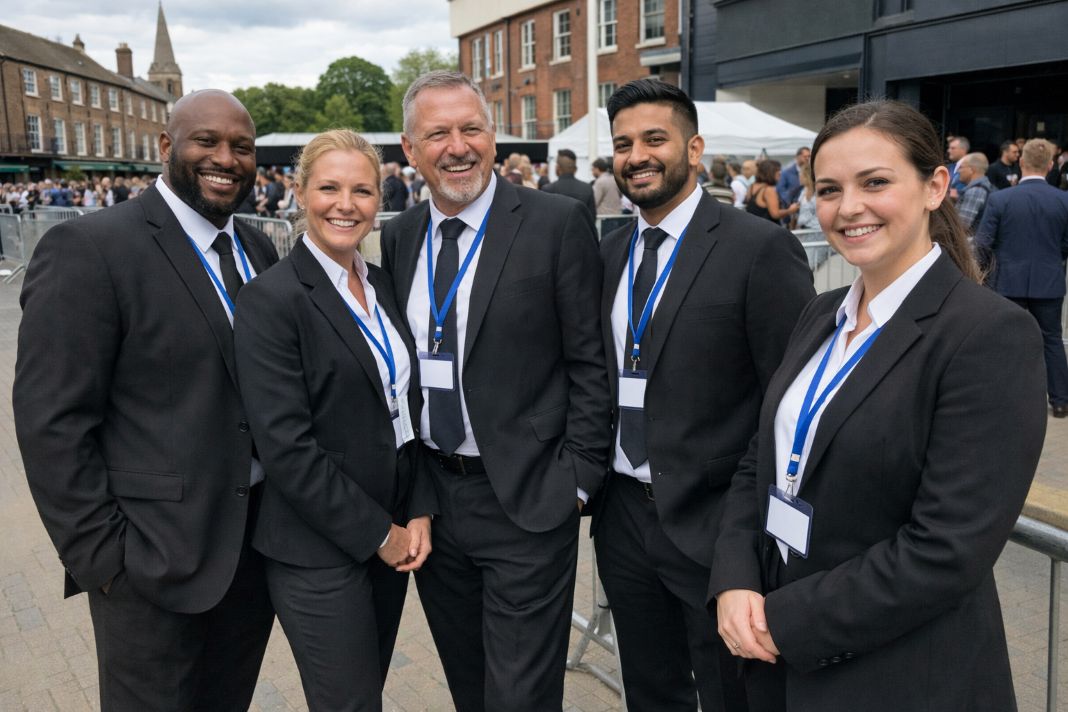
A representative image of security guards outside a modern event venue
What Do We Cover In This Article?
Understanding event security costs in the UK
Event security pricing UK wide can look inconsistent at first glance because providers do not always quote in the same way. One firm may present an hourly rate per guard, another may quote a day rate, and a third may offer a fixed package for the whole event. Those figures can appear far apart, even when the service scope is similar.
Headline rates rarely tell the full story. A lower hourly charge may exclude supervision, travel, radios, or pre-event planning, whereas a higher figure may already include those elements. In the UK events sector, the average cost of event security is therefore less useful than understanding exactly what is covered.
Common pricing formats include:
- Hourly rates for individual security personnel
- Daily rates for longer shifts or multi-day work
- Fixed package pricing for defined events with a clear scope
Compliance also shapes cost from the outset. SIA licensing, insurance, vetting, and operational planning all sit behind the visible service on the day. Providers working to recognised standards, including the Approved Contractor Scheme and ISO 9001 processes, usually build those overheads into their security guard cost rather than treating them as optional extras.
Pro Tip: When comparing event security quotes, always confirm which services and accreditations are included to avoid unexpected costs later.
Key factors that affect event security pricing
Several moving parts influence UK event security rates, and they often interact with each other. A small private function in a controlled venue requires a different staffing plan from a public event with open access and alcohol sales.
Event size and crowd profile
Guest numbers affect more than headcount. Larger crowds often need separate entry control, queue management, internal patrols, and incident response coverage. Public events can also require a different staff-to-guest ratio from private gatherings, particularly where crowd control is a concern.
Venue type and layout
Indoor venues usually provide clearer boundaries, stable lighting, and managed access points. Outdoor sites may need perimeter coverage, vehicle control, weather planning, and wider patrol areas. A city-centre venue with several entrances will produce a different security requirement from a single-room private hire space.
Timing and duration
Evening events and overnight cover often carry a different cost structure from daytime work. Longer operating hours can introduce shift changes, supervisory cover, or overtime arrangements. Multi-day events may also need overnight asset protection between public opening times.
Risk profile and licensing conditions
Higher-risk events often involve more detailed risk assessment, stricter access control, and stronger incident planning. Local authorities, insurers, and venue operators may all shape the final requirement through licence conditions or public liability expectations. Where alcohol, VIP attendance, cash handling, or large public attendance are involved, what influences security costs becomes much clearer.
Location and logistics
Travel time, parking limits, remote access, and regional availability all affect pricing variables. A well-served urban venue may be easier to staff than a rural site with early start times and late finishes. Some events also require earlier arrival for briefing and site familiarisation, which adds labour hours before guests appear.
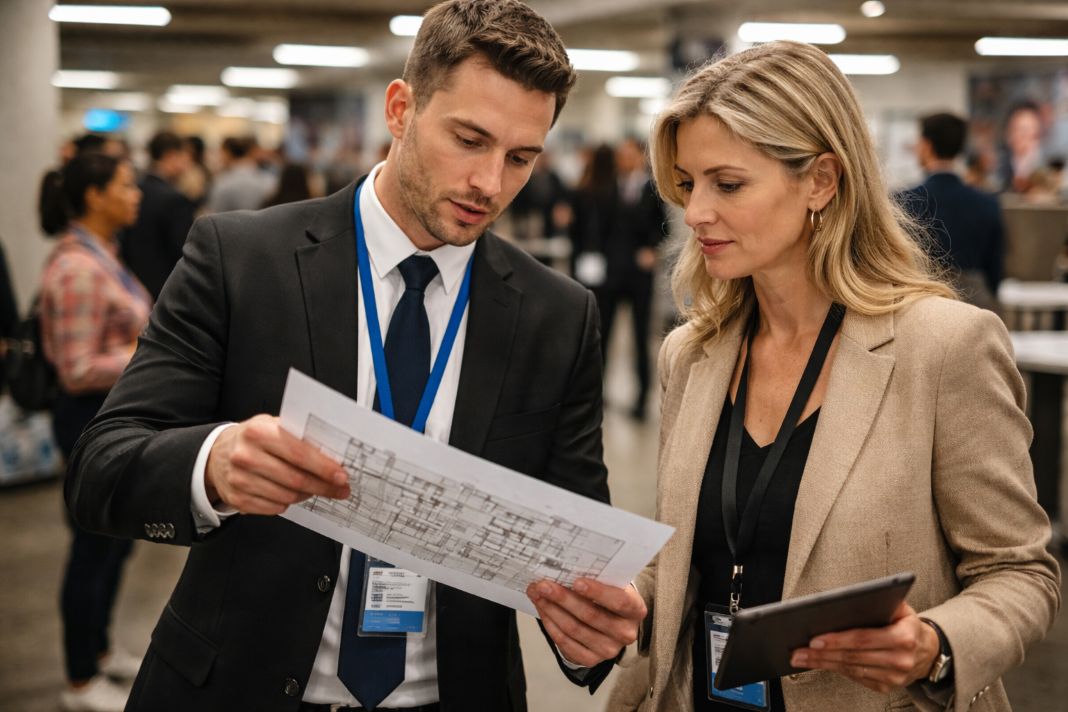
A representative image of a security supervisor speaking with an events organizer
Typical event security services and what they include
Most event organisers benefit from separating standard cover from specialist support. That makes service comparisons far more accurate than relying on the broad phrase event security services UK.
Standard provision often includes the basics needed to run an event safely and in an orderly way. Specialist provision usually sits outside that core scope and is priced separately.
Typical standard inclusions:
- SIA-licensed guards or door supervisors where the role requires it
- Entry and exit control
- Crowd management and queue monitoring
- Bag checks or ticket verification where agreed
- Incident reporting and liaison with event organisers
- Basic emergency response within the agreed site plan
Optional or specialist extras may include close protection, security dog handling, CCTV monitoring, mobile patrol support, search teams, or a dedicated control point. Some events also need stewarding alongside licensed security, which means that the staffing mix matters as much as the total number of people on site.
A structured provider such as Double Check Security Group may also separate operational roles clearly at quotation stage, which means that organisers can see whether they are paying for licensed security, front-of-house support, supervision, or specialist response. That level of detail is useful because what is included in event security is rarely identical from one quote to another.
Event hygiene, cleaning attendance, and post-incident cleaning support are not always bundled into security package details either. If those services are relevant, they should be specified rather than assumed, even where the provider also works within broader facilities services.
Pro Tip: Sharing a detailed site plan and guest profile with your security provider can lead to more accurate staffing and better event outcomes.
Compliance, accreditation and their impact on cost
Security standards are part of the price, even if they are not always visible in the first quote. Event organisers are paying for people on site, but they are also paying for legal compliance, training, vetting, and documented ways of working.
SIA licensing is the clearest starting point. If a role requires licensed staff, the individuals carrying it out must hold the appropriate licence. An accredited security company may also invest in wider systems that go beyond the minimum legal threshold, including quality management, health and safety processes, and regular auditing.
A provider with recognised accreditations such as ISO 9001 or SAFEcontractor usually carries extra operational cost in exchange for more structured delivery. That can include:
- Formal vetting and induction procedures
- Documented quality management and reporting
- Health and safety oversight
- Ongoing staff training and supervisory checks
Cheaper quotes are sometimes cheaper because they strip back those layers. That does not automatically mean poor service, but it does mean buyers should check like-for-like standards before comparing prices. In practice, SIA approved security backed by organised compliance systems tends to offer more dependable documentation and clearer accountability if something goes wrong.
Double Check Security Group is one example of how accredited operators present security as a managed service rather than simply a roster of guards. That distinction matters most at busy events where reporting lines, welfare arrangements, and emergency procedures need to work under pressure.
Get an Accurate Event Security Quote
Share your event details for a tailored security proposal that reflects your specific needs.
Common pricing models for event security
Most security firms use one of a few familiar pricing structures, and each suits a different type of event. The best model depends on how fixed the brief is, how long the event runs, and whether scope changes are likely.
Hourly pricing is common for shorter events or bookings where staffing numbers may change close to the date. Event organisers can see the security guard hourly rate clearly, but they should also ask about minimum hours, arrival time for briefing, and whether supervision is charged separately.
Daily rates tend to suit longer shifts, touring setups, exhibitions, and multi-day operations. They can simplify budgeting, though buyers still need to confirm what counts as a day and when overtime charges begin.
Fixed-fee security works best where the event brief is stable and well defined. A clear site plan, confirmed timings, and agreed duties make package pricing easier for both sides. If the event expands after booking, the original fixed price may no longer reflect the work involved.
Travel, accommodation, specialist equipment, and late changes are often handled outside the base rate card. Cost transparency depends on whether those items are stated from the start or left to be added later. A low initial figure can quickly lose its appeal if the small print covers very little.

A representative image of a security officer greeting guests at an indoor gala entrance
How to assess value beyond the headline price
Price matters, but event security value depends on what the service actually delivers on the day. A cheaper quote can still be expensive if it leads to poor access control, weak supervision, or rushed incident handling.
Several indicators point to quality vs. Price security more clearly than the front-page number alone:
- Staff training relevant to the event type
- Clear supervision and named operational contacts
- Reliable briefing, reporting, and escalation procedures
- Contingency planning for absence, incidents, or changing crowd conditions
- Evidence of performance monitoring and site oversight
Operational support often separates dependable provision from basic labour supply. An event may run smoothly because the visible guards are competent, but also because someone off site is managing replacements, logging incidents, and supporting the team in real time. Control centres, welfare checks, and active oversight rarely look dramatic in a quote, yet they shape the outcome.
Under-resourcing is another hidden cost. If too few staff are booked, queues lengthen, entrances become harder to monitor, and supervisors can end up covering basic positions instead of managing the wider operation. Those problems tend to appear first at entry points, during peak crowd movement, or near closing time.
Speak To Our Event Security Advisors
Discuss your event with our experienced team to ensure your plan matches your requirements.
What to clarify and prepare before requesting quotes
Accurate pricing depends on the quality of the event brief. Security providers can only price what they can see, so vague requests usually produce vague estimates.
Before requesting quotes, prepare the following:
- Event date, start and finish times, and access times for staff
- Venue address, site layout, and any plans showing entrances, exits, and restricted areas
- Expected guest numbers and whether the event is public, private, or ticketed
- Alcohol service, cash handling, VIP attendance, or any other higher-risk elements
- Duties required, including bag checks, entry management, patrols, backstage security, or overnight cover
- Existing risk assessment, licence conditions, and venue rules where available
- Details of specialist needs such as CCTV support, close protection, or vehicle control
Early preparation also reduces delays. A site plan can show pinch points that are easy to miss in an email, and a running schedule can highlight pressure periods such as guest arrival, interval movement, or staged departure. Better information usually leads to tighter, more relevant pricing and fewer revisions later.
Rethinking event security: cost, risk and long-term value
Event security should be treated as part of operational risk management, not as a box to tick before opening the doors. The cost covers visible staffing, but it also supports planning, compliance, and the ability to respond properly when conditions change.
That broader view is becoming more important as expectations shift across the UK. Regulatory attention, public safety responsibilities, and the direction of travel around Martyn’s Law all point the same way. Organisers are being asked to think more carefully about preparedness, accountability, and how security fits into the wider running of an event.
A well-priced service is one that matches the actual risk, the venue, and the audience without leaving important gaps. Over time, the most useful comparison is rarely the cheapest quote on paper, but the one that stands up best when the event is busy, unpredictable, and under real operational pressure.