Why do UK premises face unique security challenges during the summer, and how can these be addressed effectively?
UK premises experience increased activity, longer daylight, and a shift in public behaviour over summer, which together create additional security considerations. Adapting site-specific plans and protocols to reflect seasonal risks, changes in footfall, and the nature of summer events supports safety and operational resilience.
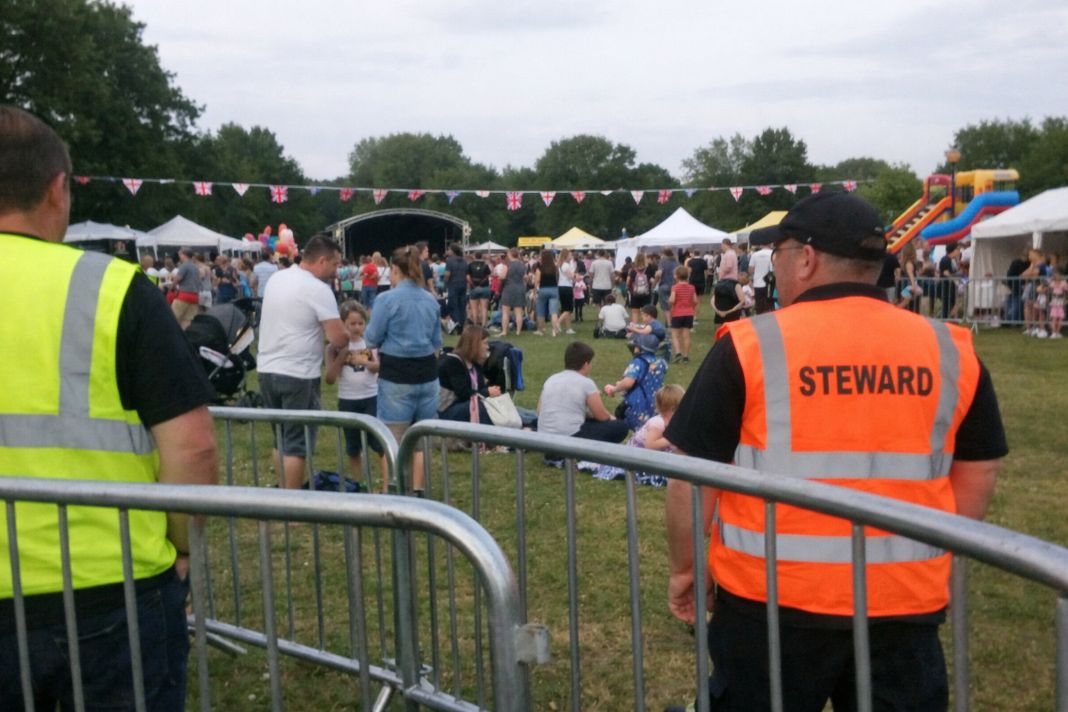
An illustrative image of a UK outdoor event in progress, showing crowd management barriers, stewards
What Do We Cover In This Article?
Understanding the Unique Security Challenges of the UK Summer
Summer brings higher foot traffic, later opening hours, and a noticeable shift in how people use public and private spaces. According to recent city centre studies, footfall can increase by up to 30% during peak weeks, with parks, shopping districts, and event venues seeing the greatest surges.
Key seasonal differences include:
- Extended daylight hours, which can create both opportunities and new vulnerabilities.
- Higher concentrations of people at public events, festivals, and outdoor spaces.
- Increased family and youth presence due to school holidays.
- A tendency for some to consider summer ‘low risk,’ resulting in relaxed vigilance.
Compared to winter, summer requires greater attention to asset protection, visitor management, and public safety, particularly around event-driven risks. By understanding these seasonal dynamics, organisations can make more informed decisions about security provision.
Pro Tip: Regularly inspect and recalibrate lighting sensors to maintain consistent visibility as daylight hours extend.
Strengthen Event Security
Partner with our experienced team for effective event security planning and multi-agency coordination.
Assessing and Updating Site-Specific Risk Profiles
A summer risk assessment offers the best way to anticipate vulnerabilities created by longer hours and increased visitors. Failing to update risk profiles can result in missed hazards or inadequate procedures.
A structured summer site security review typically covers:
- Vulnerability mapping: Identify new or amplified risks due to extended hours, local events, or outdoor activities.
- Event and activity log: Cross-check local event timetables, tenant schedules, and school holidays for overlap with site peak periods.
- Operational review: Examine access points, lighting, CCTV coverage, and response procedures for gaps.
- Compliance checks: Ensure all protocols align with SIA and ISO 9001 standards and any updates specific to summer risks.
Partner organisations such as Double Check Security Group model this approach by treating each site as unique, adjusting audits according to seasonal changes rather than relying solely on annual reviews. A brief third-party audit may reveal overlooked threats, especially where assets or public engagement increase.
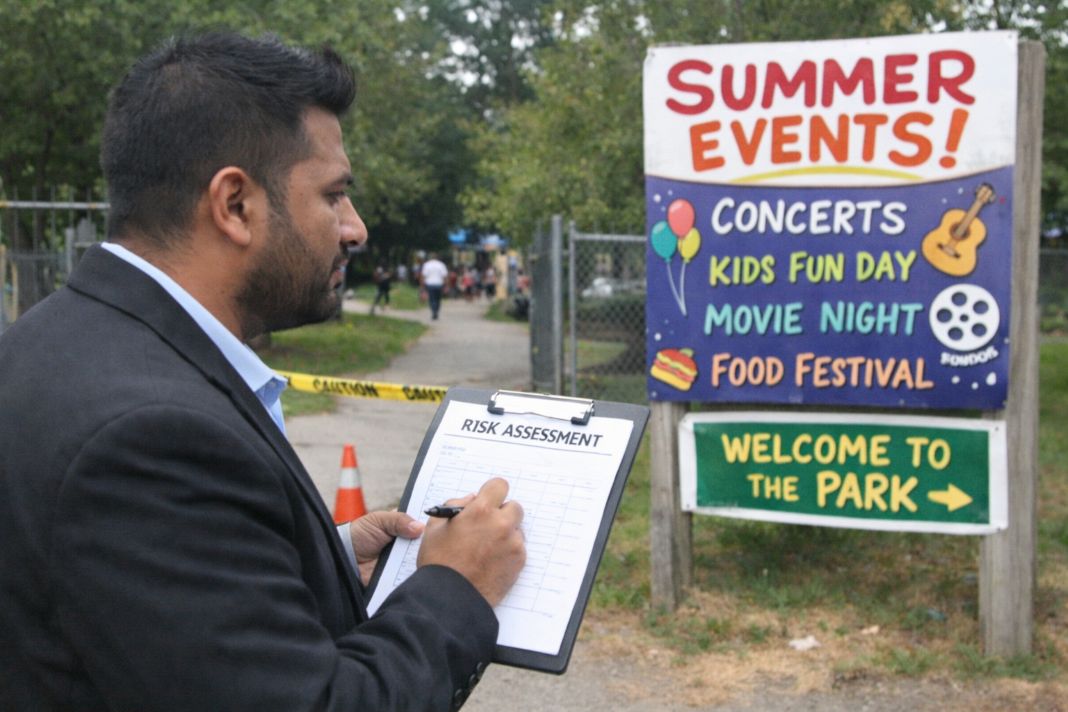
An illustrative image of a security person conducting a site risk assessment outside a public park
Preparing for Increased Footfall and Visitor Management
Managing higher visitor numbers involves a combination of physical systems, technology, and well-deployed staff. Underestimating footfall can quickly lead to bottlenecks and heightened risk.
Key actions to manage increased summer volumes include:
- Access control: Use barriers, staffed points, or digital passes to manage entry and exit. Regularly review access lists and zoning to suit higher numbers.
- Crowd flow: Position staff at key movement areas and install clear, up-to-date signage to support wayfinding and orderly queues.
- Real-time monitoring: Use CCTV and live reporting systems to identify crowding or potential issues as they develop.
- Flexible staffing: Increase SIA-licensed personnel at high-traffic times and adjust rosters in line with known events or peak periods.
Blending staff presence with technology helps maintain high standards of safety, especially where crowd behaviour is less predictable.
Pro Tip: Collaborate closely with cleaning teams to align schedules and reduce security blind spots during peak periods.
Event Security Planning and Coordination
Public celebrations, private functions, and local festivals contribute to summer’s distinctive risks, making coordinated planning important.
A phased event security approach includes:
- Initial assessment: Begin early planning with both event organisers and in-house teams, agreeing on security roles, access controls, and capacity limits.
- Operational readiness: Develop clear communication and emergency protocols, assign staff zones, and conduct briefings on the day.
- Multi-agency coordination: Where appropriate, liaise with local authorities or police, establishing joint plans for incident response.
- Post-event review: Monitor events in real time, conduct debrief sessions, and update procedures based on any learning points.
Organisations such as Double Check Security Group are experienced in coordinating multi-agency event security, ensuring both compliance and smooth guest experiences.
Adapting Security Operations for Longer Evenings
Longer daylight hours and later trading shift the operational focus, often stretching teams and facilities into less familiar patterns.
Practical adjustments include:
- Staggering patrol schedules to cover dusk and later hours.
- Reviewing lighting levels and inspecting timers or sensor-based systems to ensure adequate coverage as evening falls.
- Adjusting rota planning to minimise staff fatigue, hosting two shorter shifts instead of one extended period where possible.
- Talking to teams about managing welfare and maintaining visibility without disrupting visitor comfort.
These changes help control risks associated with transition periods, such as end-of-day handover or late departures.
Enhance Visitor Management
Streamline your visitor flow and safety protocols this summer with our tailored management solutions
Integrating Facilities Management and Cleaning into Security Planning
Security does not operate in isolation, and effective site management requires daily coordination with cleaning and facilities teams.
For example:
|
Cleaning Task |
Security Task
|
|---|---|
|
Increased high-touch cleaning |
Heightened patrol frequency |
|
Waste management in public areas |
Checking for unusual objects |
|
Schedule adaptation for events |
Temporary access control |
|
Hygiene audits |
Incident reporting |
Aligning schedules and sharing real-time updates reduces blind spots and supports a resilient environment. The British Institute of Cleaning Science underscores the role of hygiene standards in reducing hazards, especially during periods of high footfall.
Compliance, Accreditation and Continuous Improvement
Accreditations do more than confirm minimum standards. They reinforce trust, underpin operational excellence, and support ongoing development.
Key compliance and improvement measures:
- Maintain SIA Approved Contractor Scheme and ISO 9001 standards.
- Improve staff knowledge through targeted summer security and event response training.
- Use regular audits and feedback to monitor outcomes and drive refinements.
- Stay informed on forthcoming legislation, such as Martyn’s Law, reviewing practices to ensure early compliance.
A pattern of continuous improvement helps organisations respond confidently to new risks and strengthens their reputation with clients, insurers, and local authorities.

Building a Summer Security Action Plan
A practical summer security action plan ensures all teams remain clear, coordinated, and ready for higher seasonal demand.
A sample stepwise plan:
- Update the site risk assessment, focusing on seasonal changes.
- Brief all staff on revised visitor management, patrol, and event protocols.
- Review and adjust cleaning schedules to coincide with high-traffic periods.
- Confirm all access control and CCTV systems are operating at full capacity.
- Assign responsibilities for monitoring, reporting, and escalation during peak hours.
- Schedule regular plan reviews, particularly after major events or incidents.
- Maintain open communication between facilities, cleaning, and security teams.
Bringing these threads together supports consistent, accountable security delivery, protecting people and assets through the busiest months of the year.