How often should an office be professionally cleaned?
There isn’t a fixed rule for every workplace. Most offices do best with a mix of daily hygiene, weekly maintenance, and occasional deep cleans. What matters is how the space is used, how many people are in it, and the level of hygiene standards expected. Cleaning should adjust to the real demands of the space rather than remain static.
What Do We Cover In This Article?
Why This Question Comes Up So Often
Many offices stick with a cleaning rota that was set long ago, often without revisiting whether it still works. It might have come with the lease or been carried over from a previous contract. But offices do not stay the same. Teams grow or shrink, people change how they use the space, and expectations evolve.
If someone asks whether the cleaning schedule still fits, that indicates attentiveness, not a problem. Reviewing the routine is part of effective workplace management.
What “Professional Office Cleaning” Actually Means in Practice
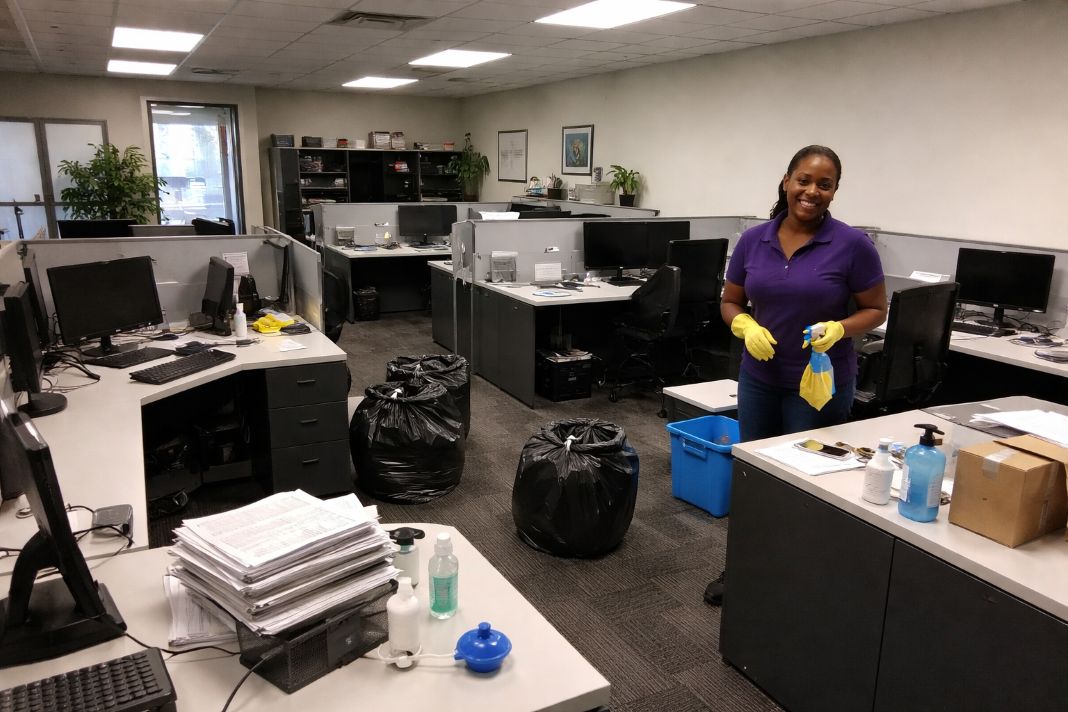
Professional office cleaning involves trained staff following a clear routine, using commercial-grade equipment and cleaning products. It focuses on consistency and quality rather than surface appearance alone.
A defined cleaning scope is usually in place, often shaped by recognised industry standards such as those from BICSc. This might include regular cleaning of washrooms, waste removal, disinfection of shared touchpoints, and floor care. What makes it professional is the process: tasks are planned, completed properly, and checked through cleaning reviews or facilities audits.
Pro Tip: Regular audits of your cleaning plan help catch issues before they affect staff wellbeing.
Need a Smarter Cleaning Schedule?
We help businesses align cleaning routines with actual usage, not guesswork.
Why Office Cleaning Frequency Is Not One-Size-Fits-All
Offices differ widely. One may be open-plan with high occupancy and constant use, while another may be quiet and rarely visited midweek. Even two similar-looking spaces may require different cleaning frequencies.
Replicating another organisation’s schedule can result in under- or over-servicing. A professional cleaning plan should reflect actual use, occupancy, and shared areas. Facilities managers often use staff feedback and direct observation to determine what is appropriate.
Daily Professional Cleaning: When It’s Necessary and What It Typically Covers
In offices with regular foot traffic and shared facilities, daily cleaning supports hygiene and presentation. It reduces build-up in areas used most.
This usually includes door handles, washrooms, lift buttons, and kitchen counters. These high-touch points need regular attention to protect staff wellbeing and ensure safe working conditions.
Weekly Cleaning: Where It Works Well and Where It Falls Short
Weekly office cleaning is often suitable for quieter workplaces. It works best in spaces with low occupancy, limited visitors, and tidy users. However, even in these environments, some tasks may be missed.
Washrooms may deteriorate without interim care. Kitchens may appear clean but retain bacteria. A weekly rota should be reviewed regularly to ensure it meets hygiene standards.
Periodic and Deep Cleaning: How Often These Should Really Happen
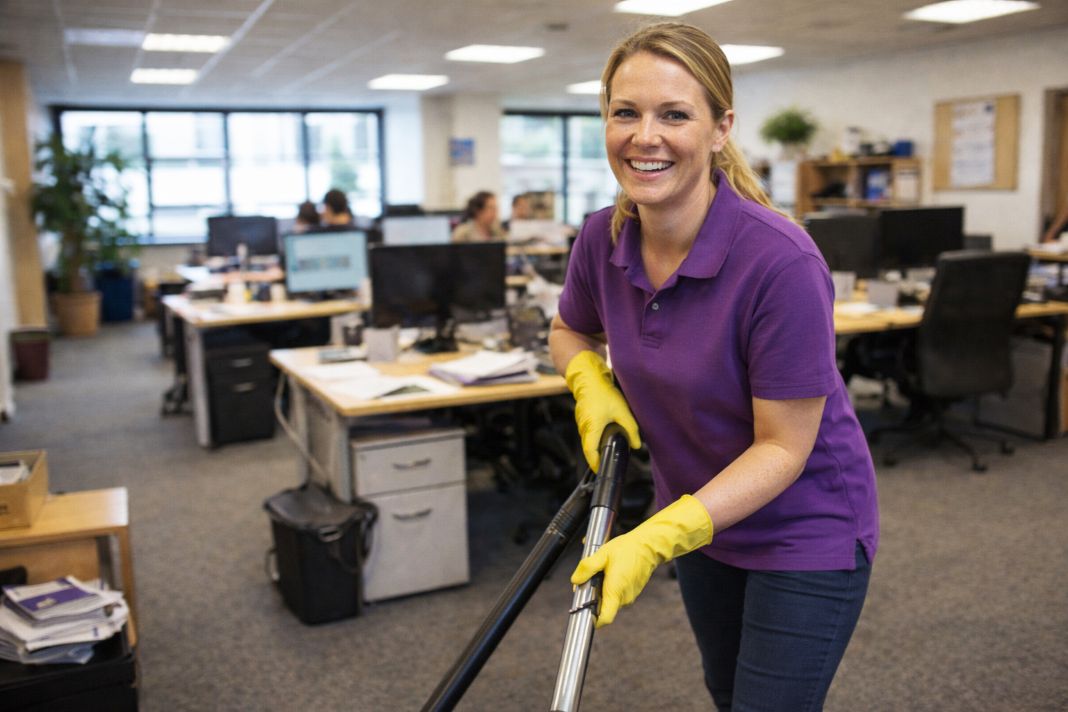
Some cleaning tasks fall outside weekly routines. Periodic and deep cleaning focuses on less visible areas, such as carpets, upholstery, air vents, and hard-to-reach corners.
Many workplaces benefit from deep cleaning every few months. The appropriate frequency depends on use. These sessions help maintain cleanliness, prolong material life, and support compliance.
Key Factors That Should Influence How Often an Office Is Cleaned
Cleaning frequency should be based on clear indicators:
- The number of people using the space and how often they do.
- The layout, whether open-plan or cellular, and the presence of shared facilities.
- Any hygiene or compliance requirements specific to the industry.
- Staff expectations about visibility and cleanliness.
- Data on when and how the workplace is being used.
A responsive cleaning plan incorporates all of these factors.
How Hybrid Working Changes Office Cleaning Schedules
Hybrid working has not reduced the need for cleaning. It has altered when and how it is required. High midweek occupancy, shared spaces, and flexible patterns demand a more targeted approach.
Effective hybrid office cleaning schedules are shaped by usage data, not staff numbers. Facilities managers who monitor trends and adapt services accordingly achieve better outcomes.
Double Check Security Group works this way with clients. By tailoring cleaning scopes to occupancy patterns, they ensure delivery matches demand and avoids unnecessary service.
Pro Tip:If your workplace has hybrid attendance, cleaning schedules should follow usage patterns, not headcount.
Is Your Office Cleaning Keeping Up?
Our team audits and adjusts your cleaning service to fit modern workplace demands.
Signs Your Office Cleaning Frequency May Need Reviewing
These signs suggest that the current cleaning plan may need attention:
- Increased illness or absence among staff.
- Regular complaints about odours, dust, or clutter.
- Cleaners unable to complete tasks within their time.
- Washrooms and kitchens that seem unclean despite recent service.
- Presence of mould, damp, or pests in less-used areas.
Monitoring these signs helps ensure hygiene stays on track.
How Often Should an Office Be Professionally Cleaned? A Practical Summary
There is no single answer. The most effective cleaning routines are shaped by real-world use. Daily cleaning helps maintain high-use zones. Weekly maintenance supports general cleanliness. Periodic deep cleans keep the environment in good condition.
When workplaces change, whether in layout, team size, or attendance patterns, cleaning schedules should follow. A good plan remains flexible and evidence-based.
Providers such as Double Check Security Group help organisations create and maintain suitable cleaning plans. Their approach ensures that offices stay clean, compliant, and comfortable for everyone using them.