How can luxury retailers secure high-value goods without compromising VIP experience?
Luxury retailers are in a tough spot. They need tighter security for high value goods and premium merchandise, but without spoiling the experience for VIP customers. With more organised retail crime (ORC), opportunistic theft, and return fraud increasing, traditional methods often feel out of place in high-end environments. This article gives practical, step-by-step advice to help store managers and operations leads protect valuable stock while still offering a warm, discreet client experience.
What Do We Cover In This Article?
Quick risk checklist: spot your biggest threats fast
This quick-reference guide helps you identify common causes of in-store shrink across luxury retail settings:
1. Organised retail crime (ORC)
Watch for: Groups loitering, timed entries, distraction or split tactics.
2. Opportunistic theft
Watch for: Solo browsers near exits, moving quickly or avoiding staff.
3. Return fraud
Watch for: Unmatched items returned without receipts or repeated refund requests.
4. Distraction techniques
Watch for: One person asking questions while others wander unaccompanied.
5. Insider collusion
Watch for: Staff interacting with non-clients, skipping standard procedures.
6. Peak-time pressure points
Watch for: Showcases left unattended when the floor is busy.
Tip: ORC threats often need police liaison support. Make sure escalation procedures are ready to use and that staff understand the floor traffic control plan.
Pro Tip : Add RFID to premium displays first. You will get faster visibility where it matters most.

Secure Your Store Without Sacrificing Luxury
Our concierge-trained retail security guards know how to protect your high-value goods without disrupting your VIP experience. Calm presence, smart deterrence, discreet coverage.
What to buy next: 3 security tiers for every budget
Use this three-tier investment plan to align your security spend with your most pressing risks. Each level supports clientele integration, inventory visibility, and staff confidence:
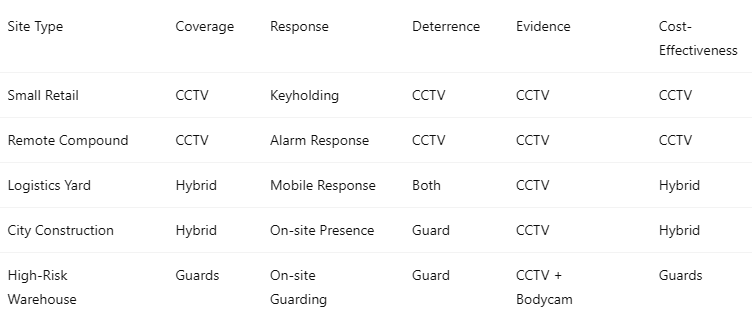
Note: These figures are based on standard benchmarks. Adjust them based on your store’s layout, stock type, and staffing.
Explore tools and services from SIA-approved luxury retail security companies, RFID tech providers, and platforms like JRNI for point-of-sale integration and appointments.

Discreet on-floor tactics to keep inventory safe and service warm
Security needs to support your customer experience. These on-floor techniques let you stay alert without compromising your store’s tone.
Concierge-trained security
Trained security staff can take on a welcoming, helpful role while keeping an eye on the floor. Instead of controlling customers, they guide them.
Example: A staff member might say, “Welcome back. Your viewing suite is ready.” This keeps service polished while providing watchful cover.
Appointment-first retail flows
Using software like JRNI allows you to manage VIP appointments in advance. That way, you can manage traffic and protect displays more effectively.
Example: A VIP browsing watches is greeted and shown straight to a private room. This limits unplanned access to high-risk displays and supports in-store risk assessment.
Object-level protection
Item-by-item security is an effective way to prevent snatch thefts. Tools such as RFID tags, alarmed bases, or remote cabinet locks help limit handling until staff are present.
Example: Staff only unlock a secure showcase when the customer shows interest, avoiding unsupervised access and supporting display security.
Use GDPR-safe analytics
Some systems offer smart behavioural tracking without storing personal identity data. These are often a safer bet than invasive surveillance and help fulfil privacy impact responsibilities.
Example: A behavioural alert from a door camera flags repeat loitering, without storing any facial profile. This supports GDPR-compliant processing basis under UK retail surveillance rules.
Pro Tip: Train staff to spot loitering patterns during peak hours. These often precede group theft attempts.
Hire Professional Guards for High-End Retail
Our SIA-licensed guards are trained for luxury environments. They blend into the brand experience while deterring theft and reducing risk from day one.
GDPR and privacy: where to start
Before using cameras, biometrics, or analytics tools in store, run a proper DPIA (Data Protection Impact Assessment). This protects customers and ensures compliance with UK law.
Steps to follow:
- Define the reason you need the tech (e.g. protect items worth over £5,000).
- List who captures, stores, or reviews the data.
- Assess whether the tech is justified and proportional (data minimisation is key).
- Read the guidance from the ICO and cross-check with the ICO checklist.
- Document your process, define your lawful basis, and keep data retention minimal.
Avoid the following:
- Facial recognition in public areas.
- Any biometric scanning without a clear legal reason and proper role as a data controller.
Tip: Clearly mark monitored areas with signs. Set a 30-day data limit unless there’s a reason to keep it longer. Be ready to explain your decisions if asked.
For guidance, visit ico.org.uk
Staff scripts and escalation checklist
Give your staff the confidence to handle VIPs and security issues with calm and clarity.
Staff scripts for key moments
Greeting VIP customers:
“Welcome. We’ve arranged a private viewing space for you.”
Handling valuable items:
“I’ll take that to our viewing area for you.”
De-escalating tension:
“Let me bring someone who can help you now.”
A five-step plan for incidents
- Make sure everyone is safe.
- Let the floor manager know immediately.
- Secure evidence like video clips or witness notes.
- If needed, call in guards or police support.
- Write everything in the incident log while details are fresh.
Note: Build a relationship with your local police retail team so your incident reports meet their expectations under UK retail operations protocol.

Actionable steps
Turn advice into action with these practical steps:
What to do this week:
-
Use a risk checklist to pinpoint gaps.
-
Choose your security investment tier.
-
Run a DPIA if you’re adding tech like cameras or analytics.
-
Share the scripts and checklist with your staff.