What does lone working mean for security guards?
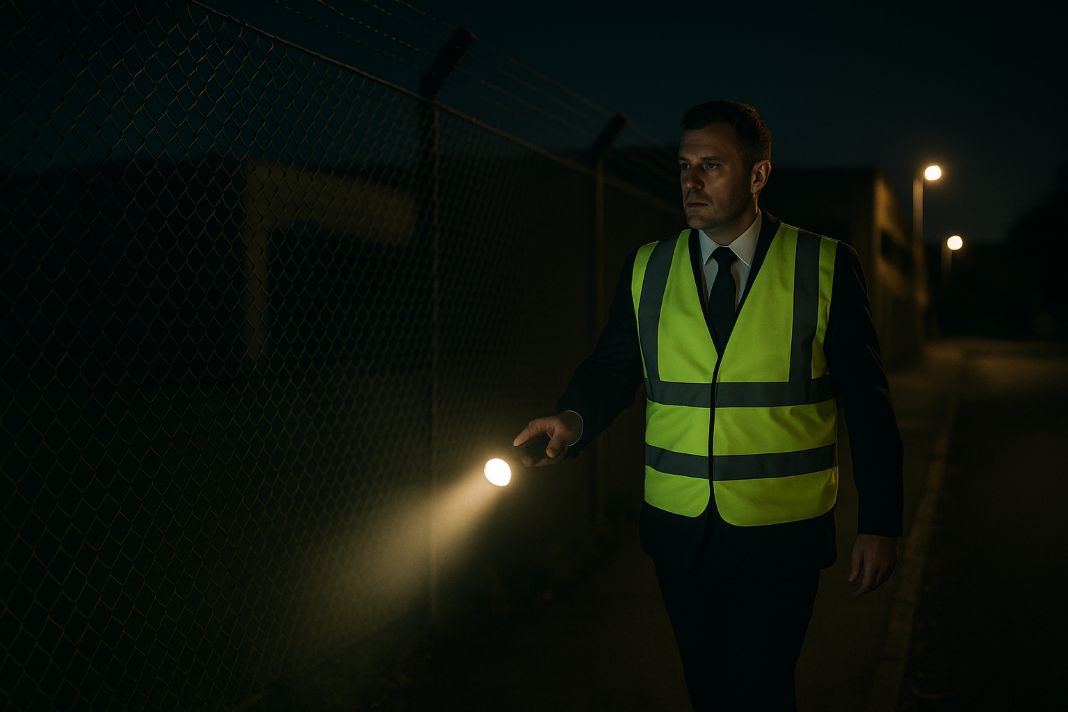
Lone working in security refers to any situation where a guard is without nearby support. This can involve working a remote gate, patrolling a site solo at night, or securing a closed retail premises. The main issue is isolation — being without immediate assistance or regular check-ins.
These roles come with increased risk. Security guards may face trespassers, medical emergencies or confrontations without backup. The pressure of being alone, especially on long or overnight shifts, raises both physical and emotional safety concerns.
Even locations seen as “low risk” can become dangerous if the guard lacks real time contact. Sites like empty warehouses, construction areas or late night venues often involve lone working conditions. These solo security shift protocols require systems built around welfare monitoring and consistent check ins.
What Do We Cover In This Article?

What are your legal responsibilities for lone working in security?
Who is responsible for lone working safety?
In the UK, responsibility lies with both the security provider and the client. This includes employers, facilities teams and anyone involved in contract management. The Health and Safety at Work etc. Act 1974 makes it clear: risks must be assessed, managed and reviewed regularly.
Guidance from the Health and Safety Executive (HSE), particularly INDG73, sets expectations around risk controls and ongoing support.
What safety standards apply?
-
BS 8484:2022 – The recognised standard for lone worker devices and emergency response
-
RIDDOR – Covers how serious incidents should be reported
-
SIA licensing – Requires providers to protect staff from foreseeable risk
Not meeting these standards can expose your business to claims, fines or reputational damage.
Pro Tip : A lone worker is still a lone worker, even if it’s only part of their shift.

Book Health & Safety Conscious Security Now
SafeContractor Approved Security Guard Services UK Wide
How do you protect security guards who work alone?
An effective lone worker strategy involves policy, training and technology.
1. Build a lone worker policy
-
List all roles that include solo working
-
Identify risks such as assault, falls, isolation or delayed medical help
-
Clarify how often workers must check in and what happens if they do not
2. Train guards on realistic scenarios
-
Use real examples to demonstrate risk: handling aggression, responding to injury, or using alert devices
-
Make sure every guard knows how to reach help and when to escalate
3. Provide effective lone worker devices
-
Panic buttons connect directly to an ARC and should be easy to trigger
-
GPS trackers ensure accurate location sharing
-
Man down sensors detect falls or sudden lack of movement
-
Check in apps send alerts if a worker fails to confirm safety
Guards feel more secure knowing they are actively monitored by live responders who can act fast if something goes wrong.
Real time monitoring ensures that alerts lead to action. Certified systems offer faster, traceable responses. Investing in a lone worker monitoring solution helps reduce organisational risk and improves staff confidence.
✅ Quick Take: BS 8484 vs Non Certified Systems
-
BS 8484 certified: Connects to a monitored ARC, includes audit logs and follows a tested escalation process
-
Non certified: May rely on silent app alerts or manual monitoring
-
Why it matters: Certification improves reliability and shows compliance if an incident occurs
4. Add extra layers where needed
-
Pair guards during high risk shifts
-
Back up tech alerts with scheduled phone calls
-
Use remote video or supervisor visits to increase oversight
Layering protects staff even if one part of the system fails.
How to choose a security supplier that takes lone worker safety seriously
You need more than a written policy. Ask potential suppliers:
-
Are their devices and systems BS 8484 certified?
-
Do they work with a live ARC and provide real time response?
-
Can they share records of drills, alerts or training?
-
What happens if a guard misses a check in?
-
Are they approved under the BSIA or SIA contractor scheme?
Questions to ask during onboarding
-
“Can you show an incident log from your ARC?”
-
“What is your typical response time to an alert?”
-
“How do you handle signal loss or device issues?”
-
“Who acts on missed check ins, and when?”
If the answers are vague or unclear, reconsider the supplier. Strong vendors show real systems in place, not just good intentions. Procurement teams gain peace of mind when check in systems are visible and reliable.
Why human monitoring still matters in lone working
Let’s say a lone guard misses a scheduled check at 3.30am. The ARC notices. The operator makes a call, then notifies the supervisor, then sends emergency help.
They find the guard on the ground. He slipped, hit his head, and could not reach his radio. A man down alert triggered the call but it was the live operator who made sure someone followed up.
Automation helps but people save lives. Staff morale improves when lone working risks are taken seriously and teams know help is more than just a button press.
Pro Tip : Written policies mean nothing without working devices and human escalation.
Speak to a Security Compliance Advisor
Our static security services handle incidents from the first second. Learn what our guards can do for you.
Why work with Double Check Security Group on lone worker protection
Double Check Security Group puts people first. Our services include:
-
Fully trained guards who understand escalation protocol
-
Lone worker safety protocols, data logging and support
-
Custom security plans based on your contract, site or risk profile
Whether you are managing a warehouse, depot or shopping centre, we make sure lone workers are never left without support.
Lone worker safety FAQs for facilities and procurement teams
What qualifies someone as a lone worker? Anyone working without direct supervision or access to immediate support.
Can personal phones be used instead of proper safety devices? No. They lack compliance, do not link to ARC teams and may fail when needed.
Is having a written policy enough? Not at all. A good policy must be backed by working systems, training and real time monitoring.
What if someone is alone for just part of their shift? If there is any period where they are unsupervised, they need lone worker protection.
Want help reviewing your setup? Contact Double Check Security Group. We will talk through your site, risks and next steps.