What makes a security patrol route genuinely effective at deterring incidents?
A security patrol route is effective not simply by existing, but by being designed to deter, detect and disrupt. Visibility alone is not enough. The impact of a patrol comes from its ability to alter threat perception and reduce opportunity for misconduct, which means routes must be structured with purpose, variability and real risk in mind.
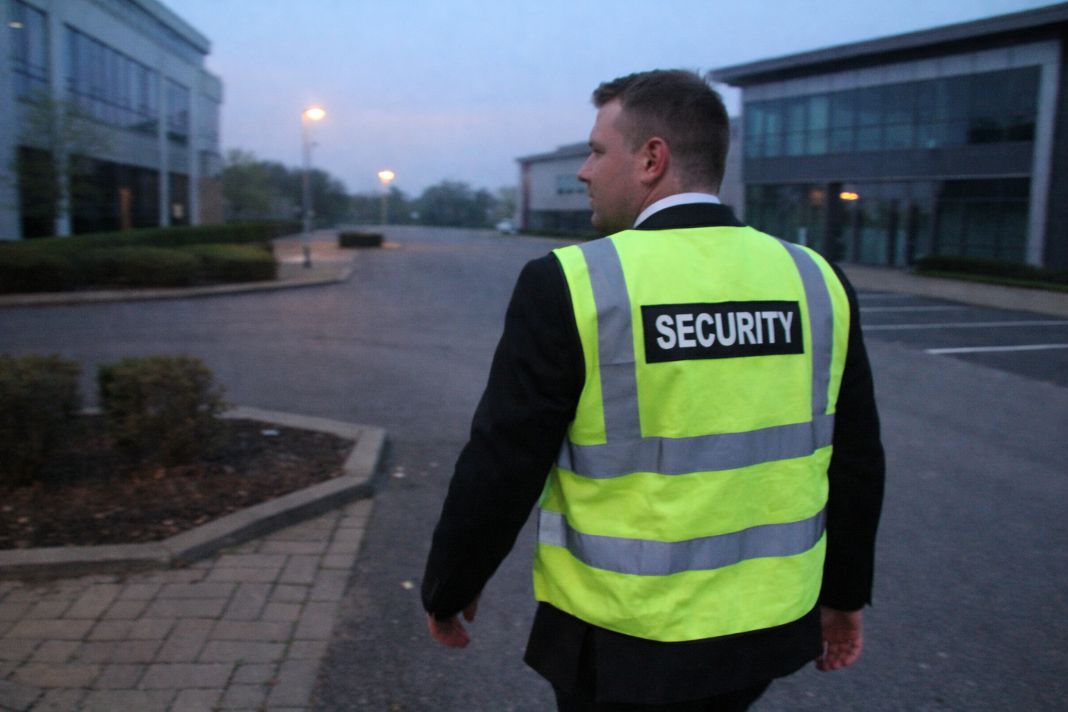
A representative image of security walking through an empty business park during early morning hours
What Do We Cover In This Article?
Rethinking Visibility: Why Patrols Must Be More Than Presence
Many assume that frequent patrols automatically make a site safer. High-visibility patrols are often seen as a basic deterrent, yet effectiveness depends far more on how and where those patrols are conducted than how often officers are seen.
The most common scheduling error lies in treating patrols as a route to cover rather than behaviour to influence. A passive walkthrough completed on a rigid loop does little if offenders can watch, learn and predict officer patterns.
Widespread missteps include:
- Running identical routes at fixed times
- Prioritising coverage area over targeted risk
- Using patrol logs as a checkbox rather than a feedback tool
- Assigning patrols without briefing officers on the rationale
Deterrence relies on design. According to deterrence theory and principles referenced by the British Standards Institution and SIA guidelines, unpredictability increases perceived risk for potential offenders, which often shifts behaviour even before an incident occurs.
Security providers such as Double Check Security Group structure their patrol routes to reflect this logic, placing emphasis on intent rather than motion. Presence matters, but intelligent variation and targeted attention matter more.
Pro Tip: Use patrol data to identify over-patrolled areas that may be wasting resources without added deterrent effect.
Plan a Patrol Route Consultation
Discover how our experienced teams support orderly and safe customer flows during high-footfall periods.
Map Risk Zones and Vulnerable Areas First
Patrol planning must start with a clear knowledge of what needs protecting. Trying to create a route without site insight results in inefficiency and missed vulnerabilities.
A basic risk map should identify:
- Isolated or poorly lit exterior zones (e.g. car parks or delivery areas)
- Unstaffed access points or back entrances
- Asset storage rooms, IT infrastructure or cash offices
- Shared-use spaces with unknown public access
- Areas with prior incident history or high footfall during unsupervised periods
Using standards such as ISO 31000 and referencing resources from the Health and Safety Executive supports a structured approach to identifying these zones. Treating each part of a site equally dilutes security impact. Instead, higher-risk areas should receive more frequent or intensive coverage, including informal overlap of patrol sight lines and varied timing.
Visual risk maps, frequent site reviews and input from operational teams are practical tools in identifying and prioritising these zones, giving patrol planning a foundation that reflects real conditions.
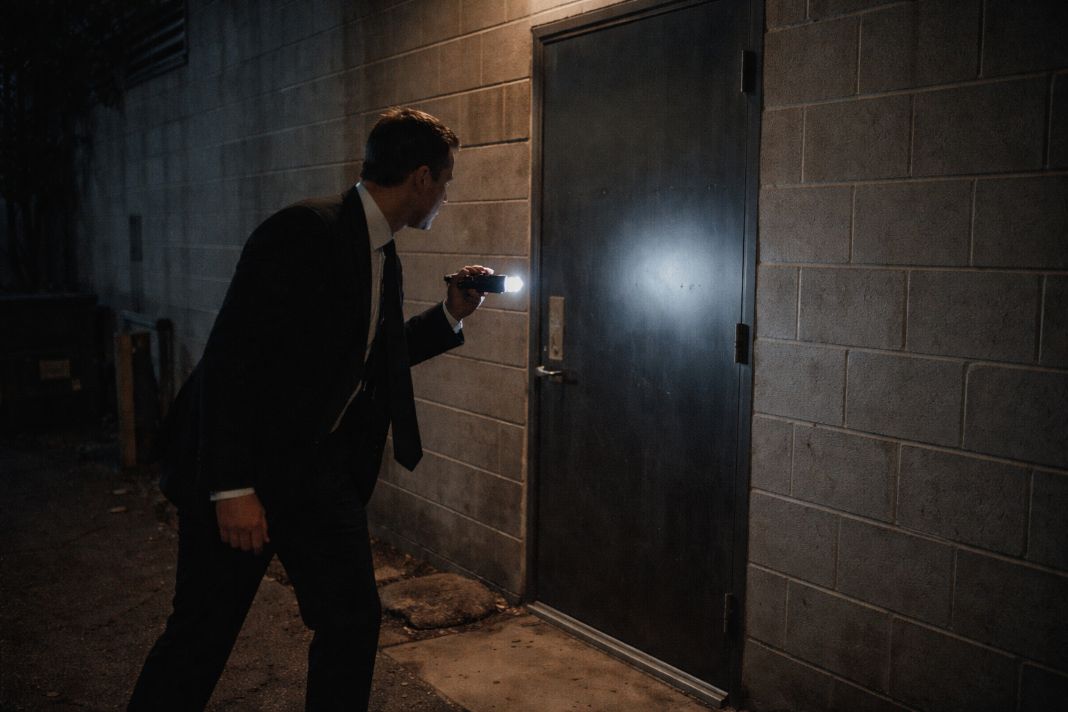
A representative image of a security guard inspecting a dimly lit rear entrance behind an office building
Avoid Predictable Patterns That Undermine Deterrence
Fixed-time, repeat-loop patrols can actually reduce deterrent value over time. When patrols become routine, they become observable, and when they are observable, they become exploitable.
Offenders increasingly rely on pattern recognition. This includes timing lapses between passes, officer habits and even the order in which spaces are checked. Predictability reduces the perceived likelihood of interruption.
Introducing variability does not mean eliminating structure. It means embedding controlled unpredictability, such as:
- Using alternating entry and exit points
- Varying patrol sequence throughout a shift
- Shifting timing windows each day
- Randomising route start times using patrol software
- Building in passive surveillance, such as observing without high visibility
Patrol management platforms can support this by offering route scheduling that avoids repetition over long periods. British Standard BS 7499 provides further guidance on how security guarding services should support operational deterrence, including the importance of route adaptability.
By contrast, some patrols function more as security theatre than actual deterrent. Tactical variation helps ensure patrols remain an active layer of defence, not a set routine waiting to be observed.
Pro Tip: Incorporating officer feedback after every shift improves route accuracy and encourages team engagement in site safety.

A representative image of a security officer patrolling offices
Align Patrol Routes with Site-Specific Operations
Security must adapt to the realities of each site’s functions. Routes that interfere with logistics, disrupt routines or ignore operational flows often create tension rather than value.
This alignment begins with knowledge:
- Delivery schedules and loading bay activity times
- Building usage peaking during specific hours (e.g. tenant arrivals or lunch service)
- Shared access doors used differently throughout the day
- Sensitivity around customer-facing zones or private client areas
Patrols that move with the operational rhythm improve oversight without obstruction. For instance:
- Staggering patrols to coincide with high-traffic service corridors
- Covering unoccupied areas during known downtime
- Conducting rear-of-house checks when reception areas are calm
- Reporting on maintenance issues during quieter patrol portions
Providers like Double Check Security Group build patrol plans that embed these patterns, integrating security with facilities management protocols rather than separating them.
Security guards are not just walking a perimeter. They are observing how a building lives and breathes, contributing to safer operational continuity rather than enforcing a rigid overlay.
Speak with a Commercial Security Specialist
Learn how we can better protect your premises.
Use Technology to Track, Adapt and Audit Routes
Modern patrols cannot rely on recollection or manual logging alone. The use of software, location tracking and audit trails supports accountability and refines route performance over time.
Key tools include:
- Mobile patrol apps with NFC or RFID checkpoint scanning
- Real-time route tracking with route deviation alerts
- Incident tagging during patrols for faster response
- Control room integration for active oversight
- Time-stamped reporting to verify patrol completeness
These tools protect the site but also the officers and management team by proving compliance with BS 7858, and by creating visibility over any missed areas or emerging risks.
Over time, data from digital patrol systems help identify inefficiencies, such as over-patrolled zones or timing gaps that leave key areas exposed. Adjustments then become informed decisions rather than guesswork.
Technology supports structure, not challenge. Used correctly, it removes ambiguity, reinforces standards and allows for responsive change when needed.

A representative image of a security team briefing taking place
Train Officers on the Why, Not Just the Where
Even the most carefully mapped patrol is ineffective without engagement from the officer carrying it out. Training should focus on movements, but on meaning.
Officers who understand why their route matters are more alert, more reliable and more able to act when something feels off.
High-performing patrol behaviour includes:
- Noticing environmental changes, such as doors ajar or cameras obscured
- Tracking behavioural anomalies, including loitering in sensitive areas
- Verifying that checkpoints match real-world positioning
- Reporting environmental risks, such as obstructed fire exits
- Adjusting pacing when encountering areas of concern
Formal training must be supported by a clear site induction covering layout, risk zones, access routines and escalation pathways. Standards such as BS 7858 and SIA licensing training set the baseline, but site-specific briefings turn that training into effective action.
Professional judgement cannot be automated. Officers act as the human layer of security awareness, which means time invested in their knowledge returns directly through performance quality.
Review and Adjust Routes Based on Real-World Feedback
Patrol routes should not remain fixed once set. Environments change, risks shift and feedback uncovers what maps miss. Without review, patrols stagnate.
Key triggers for reassessment include:
- Incident reports suggesting blind spots or timing gaps
- Officer feedback on poor visibility or access barriers
- Seasonal changes such as daylight hours or foot traffic shifts
- Construction work or temporary site access changes
- Tenant or staff input about neglected areas
Implementing changes does not require disruption. Start by trialling variations on less sensitive shifts or low-footfall periods. Test new loops during evenings or weekends, then gather reporting data to assess value.
Review cycles should be scheduled deliberately rather than left to chance. Whether monthly, quarterly or following any security incident, timetabled route reviews ensure the system grows with the site.
Patrols that adapt over time remain relevant. Patrols that remain static become background noise. Security works best when it stays observant, reflective and responsive to the needs of the environment it protects.