What should a guarding audit actually achieve?
A guarding audit should reveal how effectively the security operation functions day to day, not just whether it complies with formal procedures. A meaningful audit goes beyond paperwork, helping facility managers verify whether safeguards are working in reality and identifying areas for improvement before issues arise.
Security audits often fall short because they prioritise form over function. When audits are reduced to tick-box exercises, they provide false reassurance while obscuring vulnerabilities.
The true value of an audit lies in insight. An effective security audit should confirm not just that documentation exists, but that procedures are followed, risks are managed, and gaps are being addressed over time. This includes evaluating how the guard team adapts to the site’s changing requirements and how closely practice reflects policy. Audits rooted solely in file checks or generic standards can miss significant failings.

A representative image of a security officer training session taking place
What Do We Cover In This Article?
Define the Scope: What You’re Actually Auditing
Without clear boundaries, audits risk being too broad to manage or too narrow to be useful. Defining scope carefully ensures that evaluations focus on what matters most.
A thorough guarding service audit might include:
- Guard deployment and shift patterns
- Access control procedures
- Incident reporting and escalation trails
- Systems integration (e.g. CCTV, alarms, control room)
- Guard knowledge of site layout and procedures
- Supervision and support structure
- Site-specific induction and refresher training
Scope must also consider the environment. For a retail site, guarding performance may prioritise public interaction and loss prevention. A logistics hub may place emphasis on vehicle screening and access control. Vague or recycled audit templates often ignore these differences, leading to missed issues.
In some settings, audits also need to cover subcontracted or peripheral services. These can involve different SLAs, making coherence across the whole operation more difficult if left unchecked.
Clarity in scope helps identify what success looks like on a specific site and builds consistency into the review process. A narrow focus on guarding personnel alone, for example, may miss systemic problems within scheduling, shift handovers or communication lines.
Pro Tip: Always observe at least one full shift during audits to detect procedural drift or informal practices.
Review Your Guard Training Setup
Find out whether your current training and induction practices align with site-specific needs for better performance.
Go Beyond the Paper Trail: Observe the Service in Action
Policies and procedures may look convincing on paper, but real service quality is revealed through observation. A site visit allows auditors to see how work is performed, how guards interact with the public, and how well processes are followed.
Practical indicators to watch for include:
- Whether guards arrive and depart promptly for handovers
- The clarity and consistency of patrol routes
- Guard posture and attentiveness, especially at low-traffic hours
- Use and condition of logbooks or handheld devices
- Interactions with visitors, staff, or tenants
- Guard familiarity with emergency equipment or key locations
- Responsiveness to simulated or unexpected incidents
For example, an audit may show that assignment instructions are issued weekly, yet on inspection, guards cannot describe the procedure for a fire alarm or first aid incident at that site. This reveals a gap between paperwork and preparedness.
A quiet audit presence often generates more useful insight than a formal interview. Observing routine activity over a single shift can uncover procedural drift, where original protocols are gradually replaced by informal improvisation. Checking CCTV footage can also reinforce or challenge observations from on-site visits.
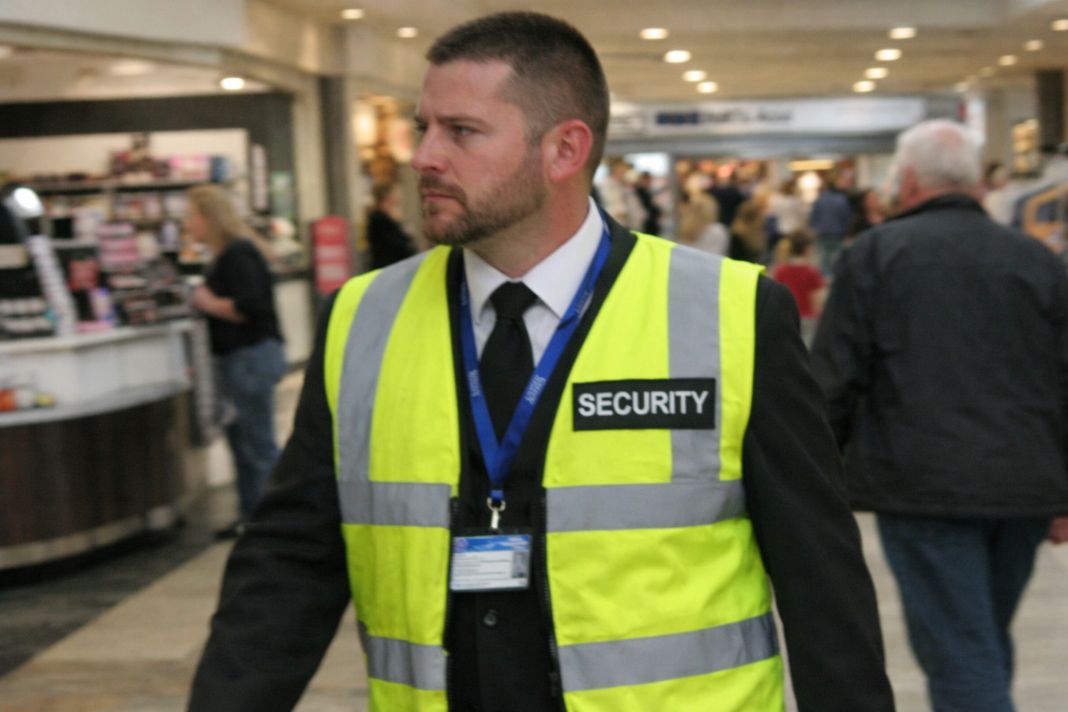
A representative image of a shopping centre security guard on patrol
Test the Systems, Not Just the Staff
Even the most diligent guard is limited by the tools, alerts, and information systems supporting them. Audits must examine the infrastructure that anchors performance, especially in high-risk environments.
Key areas to test include:
- Alarm Response Times Trigger or simulate an alert. Track how quickly and accurately it is acknowledged and escalated.
- Access Control Logs Review entrance and exit logs for anomalies. Check for badge misuse, tailgating, or system downtime.
- CCTV Uptime and Integration Confirm camera coverage, backup continuity, and operator engagement. Spot gaps between camera zones and guard routes.
- Escalation Paths and Communication Verify that guards have working, reliable communications with the control room and know when to escalate.
- Digital Record Consistency Compare reported incidents with logs, control room notes, and shift diaries to identify missing records or filtered reporting.
Consider a scenario where an intruder alarm is triggered. An effective audit would ask: Was anyone notified? Who responded? Was it logged? Slow or missed escalations in such cases often point to faulty systems rather than staff error alone.
Testing these areas confirms that supporting tools improve rather than hinder guard capability. Double Check Security Group, for instance, integrates live control centre support with field operations, allowing for 24-hour oversight. When audits include this level of systems review, underlying causes of service issues are much easier to trace.
Pro Tip: Cross-check escalation logs with actual incident timelines to ensure communication systems operate as expected.
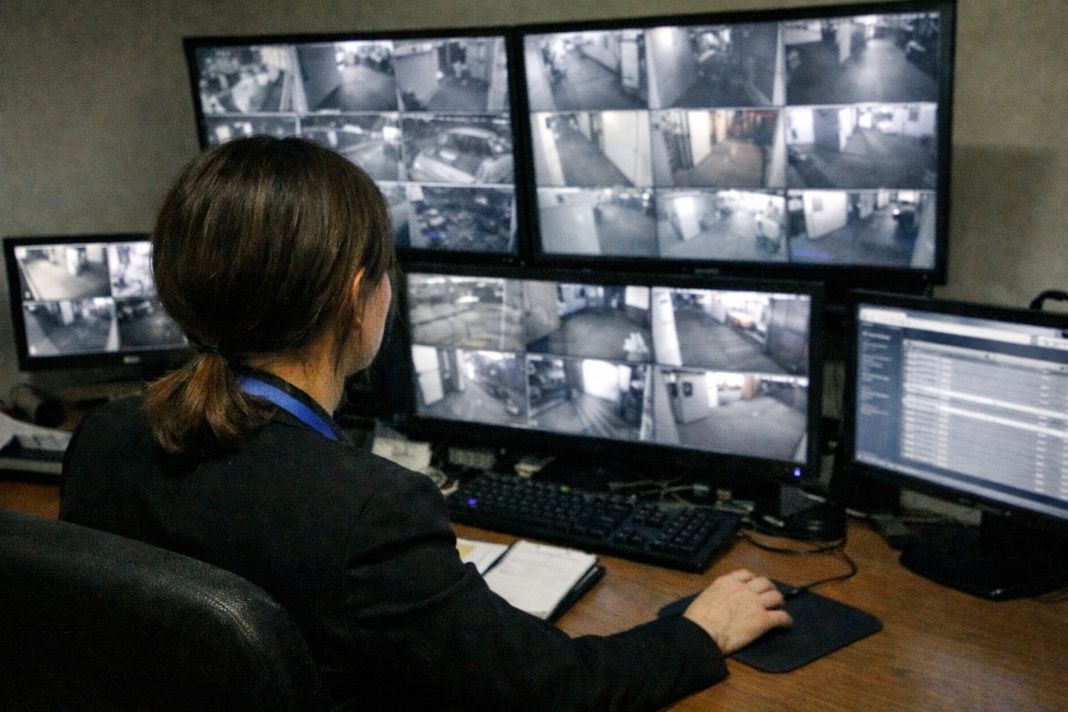
A representative image of a cctv operator working
Review Training, Induction and Site Familiarity
A licence confirms a guard’s basic competence but says little about their readiness to operate on a specific site. Audit checks must go further to confirm that each guard understands the particular risks, layout, and response protocols where they work.
What to check:
- SIA licence status is current and valid
- Records of initial site induction
- Frequency of refresher briefings or toolbox talks
- Awareness of emergency contacts and site-specific hazards
- Retention of key instructions or procedures in routine tasks
What it reveals:
- Whether the guard understands their precise role
- How well they have retained training content
- Gaps between general training and site application
- Whether senior staff maintain oversight of training coverage
Consider a high-traffic reception area staffed by a licensed guard unfamiliar with the approved visitor entry procedure. Even in the absence of incidents, this poses reputational and compliance risks.
Training audits should identify not just technical gaps but procedural drift or outdated practices. Site-specific retraining may sometimes be overlooked when new risks or policies are introduced. Audits help flag these issues early before they result in voids during emergencies or inspections.
Schedule a Custom Guarding Audit
Ensure your guarding service meets real operational standards with an audit tailored to your site.
Examine Supervision and Oversight Mechanisms
A well-trained guard still needs structured oversight to maintain standards. Audits must assess whether adequate supervision is taking place and whether performance is actively managed.
Indicators of healthy supervision include:
- Recorded site visits by supervisors or area managers
- Documented performance reviews or coaching sessions
- Clear escalation chains for incidents or absences
- 24/7 access to back-up support via control room
- Guard feedback mechanisms and two-way communication
Without these, even experienced teams can drift below standard. Inconsistent shift cover, delayed incident reporting, or isolated lone workers often point to weak supervision structures.
For example, during an audit, a pattern of two-hour gaps between supervisor check-ins may explain inconsistent uniform standards or missed patrols. Supervisory frequency matters, not just that visits occur, but that they are effective in reinforcing expectations and addressing problems.
Providers that embed weekly site contact and leadership visibility, as seen in models like Double Check Security Group’s, tend to identify issues early and maintain service quality. This proactive oversight helps ensure that guards have the support they need and that client feedback translates into action.

A representative image of a security team briefing taking place
Look for Evidence of Continuous Improvement
The final lens of any worthwhile audit is whether the guarding service evolves over time. A static service may comply today but fall out of step with site risks, client priorities or legal obligations tomorrow.
Key indicators of improvement include:
- Documented feedback being reviewed and acted upon
- Regular service reviews or site briefings
- Adaptation to changes such as new building layouts or tenant needs
- Updates based on incident trends or audit findings
- Preparation for legislation changes, including Martyn’s Law
For instance, if several monthly incident reports highlight perimeter intrusions, is there evidence that patrol routes, lighting, or CCTV coverage were adjusted in response?
A guarding provider that learns and adapts is more likely to build long-term trust with site managers and property owners. Services that simply repeat the same processes without review can drift into complacency, leaving clients exposed to new or shifting risks.
Audits should not treat quality as static. Instead, they should close the feedback loop, verifying that insight leads to action and that providers actively learn from their sites. This, more than any single checklist, signals a guarding service that is fit for purpose today and prepared for tomorrow.