

What security should your student accommodation building have as a minimum?
A student accommodation building should have controlled entry, lockable bedroom doors, secure vulnerable windows, clear access card procedures, proportionate monitoring, emergency instructions and a local risk assessment. The right level of security depends on layout, resident numbers, visitor flow, local risk and operating hours.
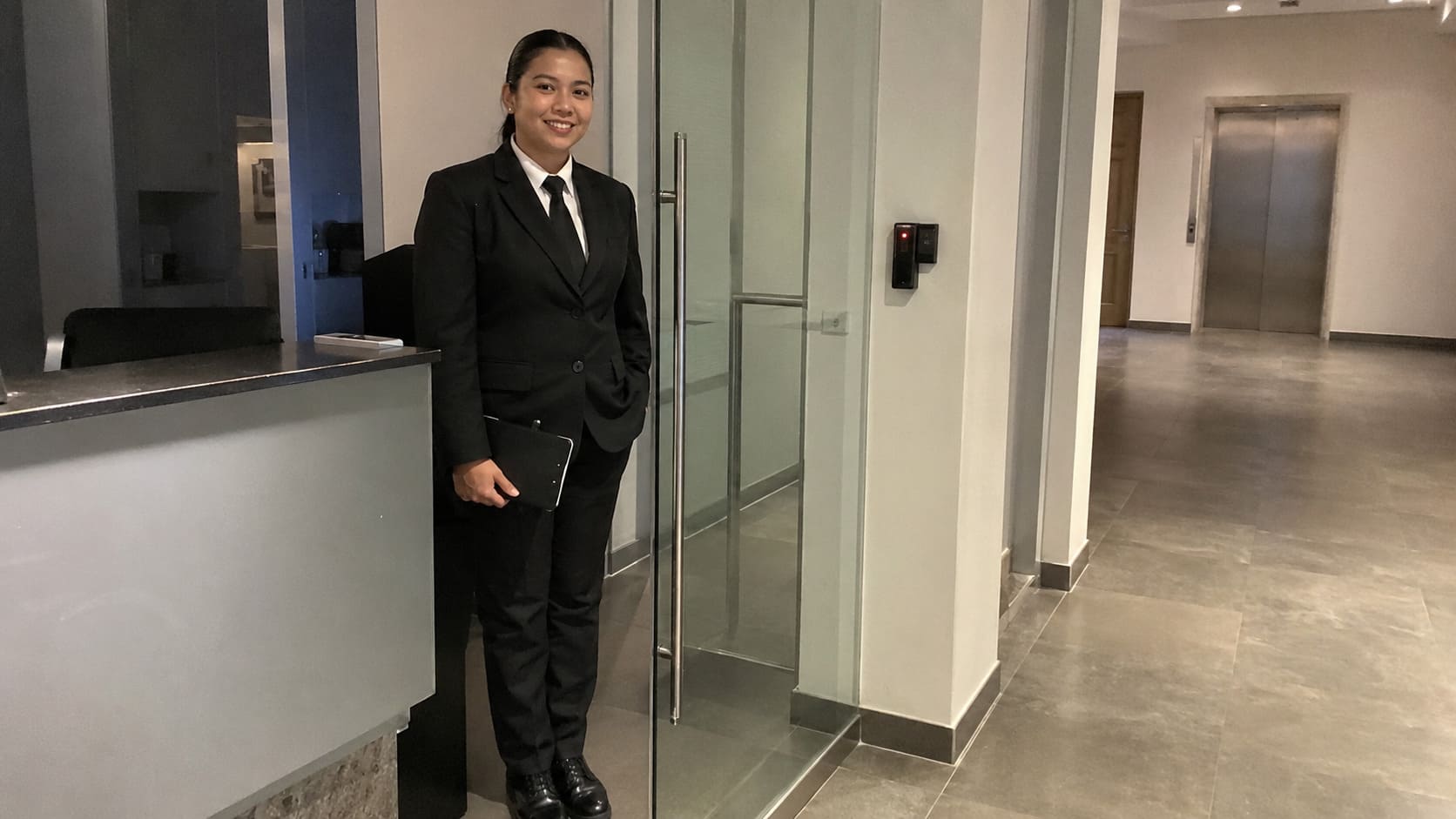
What Do We Cover In This Article?
The baseline starts with controlled entry and documented routines
Student accommodation security requirements begin with the basics that every managed building must get right before anyone argues about cameras, guards or new technology. The building needs to be secure against intrusion, and its arrangements need to be checked against the actual site.
The Universities UK / GuildHE Code of Practice for the Management of Student Housing gives a useful baseline: managed student accommodation must be secure against intrusion, and registered buildings must have local security risk assessments that consider access control, site perimeter surveillance and ground and basement windows. That points to a system, not a gadget.
A practical baseline covers:
- Secure entrances. Main doors need controlled access for student tenants of the building, with arrangements that reduce casual tailgating.
- Bedroom protection. Individual bedroom doors need lockable control for the student occupant, with access treated differently from shared building entry.
- Ground and basement windows need attention because vulnerable windows create an obvious route for intrusion.
- Clear access procedures. Lost fobs, replacement cards and visitor entry need written rules that staff can follow under pressure.
- Monitoring should match the building, with closed circuit television (CCTV), patrols or front desk presence used where the risk justifies them.
- Emergency information must tell students what to do if something goes wrong, including how to report crime or suspicious behaviour.
None of this requires a building to feel locked down. Good security for halls of residence keeps resident-only areas controlled while allowing normal student life to continue.
Requirements, expectations and proportionate measures are different tests
Poor buying decisions usually start when three separate things get treated as one: formal duties, accommodation code expectations and risk-based security choices. A measure can be sensible for one building without being required in every student residence.
Here is the cleaner way to test a proposal.
| Baseline expectation | Risk-based measure | Risk-triggered measure |
|---|---|---|
| Lockable main entrances and bedroom doors | Extra controls for visitor-heavy entrances | 24-hour guarding across the whole building |
| Local security risk assessment | CCTV at entrances or shared areas where justified | CCTV in every possible area |
| Clear lost key or access card procedures | Out-of-hours escalation through a control centre | Permanent on-site security for every site |
| Emergency procedures for students | Mobile patrols or alarm response | Full-time front desk cover regardless of risk |
| Staff and contractor identification | Stronger contractor controls during works | Treating all access issues as guarding tasks |
Proportionate is not the same as minimal. A small building with simple access and low visitor movement may need less visible security than a larger managed residence with multiple entrances, busy shared spaces and late operating patterns.
Licensing also needs a buyer-level check. The Security Industry Authority (SIA) says contracted work involving licensable security activity can require a front line SIA licence. Job titles matter less than what the person is actually doing, so a concierge role and a guarding role should be scoped honestly from the start.
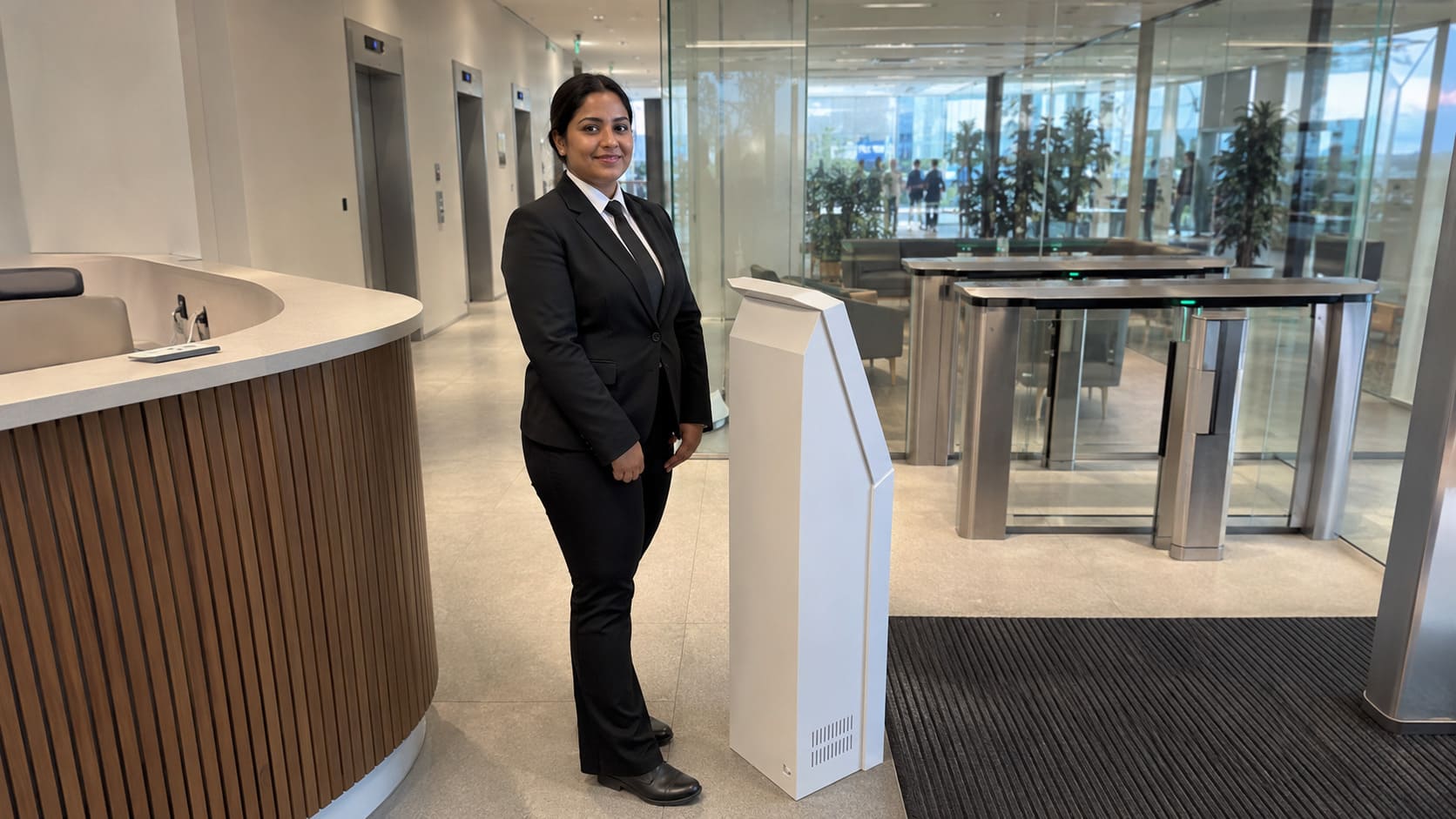
Access control has to reach beyond the front door
A resident loses a fob late in the evening. The weak version of access control treats that as an admin task for the next day. The stronger version prevents misuse, keeps the resident supported and leaves a record of what changed.
That example is where student accommodation access control often succeeds or fails. The front door matters, but the real operating test sits in permissions, replacement procedures, visitors, contractor entry and bedroom access.
Resident access
Access control should separate building entry from room access. Main entrances are for the student tenants of that building, while bedroom doors are for the individual occupant. Mixing those permissions creates avoidable risk and confusion.
Lost access cards need a clear process. Staff should know how to replace or reissue access without leaving an old credential active. Visitor entry also needs a routine, because a sign-in book or intercom means little if nobody checks who is being admitted.
Tailgating deserves a practical response. Posters and reminders help, but the better fix is a building routine in which staff challenge unknown visitors, entrance design reduces casual following and residents understand why holding the door open can create a security problem.
Staff, contractor and bedroom access
Staff and contractor access needs discipline without drama. The accommodation code covers badging, staff vetting, records when staff access bedrooms in a student’s absence and clear lost key or access card procedures, so this area belongs in normal building management.
Bedroom entry is the point where many weak procedures show up. Staff may need access for legitimate operational reasons, but the procedure needs to be controlled, recorded and transparent. A master key without a record trail is a poor control, even if everyone involved has good intentions.
Operators such as Double Check Security Group treat access procedures as daily management, linking identification, room access records and escalation routes with the wider security plan. That matters because an access system only works if the people using it follow the same rules each time.
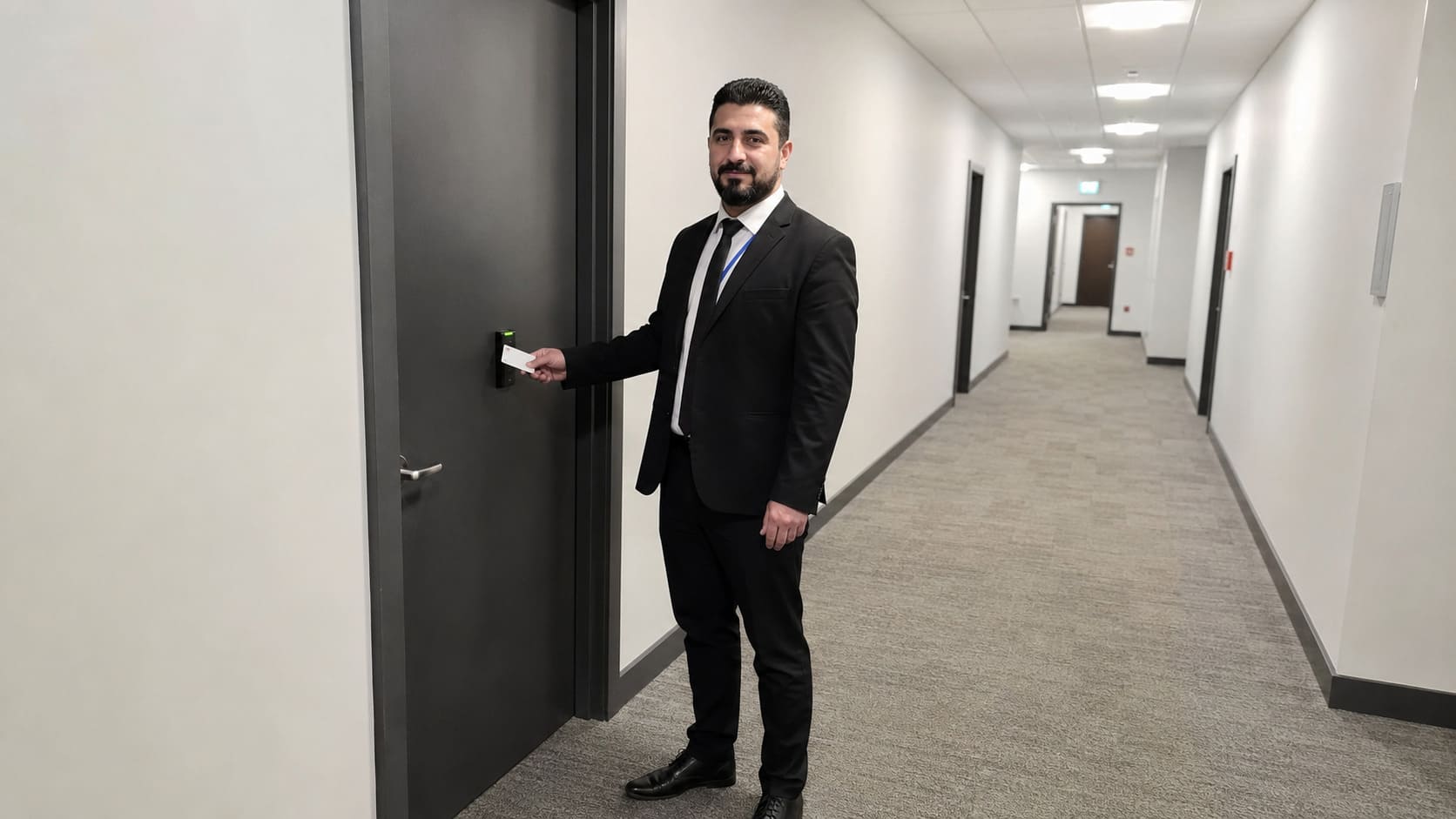
CCTV, guards and 24-hour cover must match the risk
Does the building need CCTV, guards or 24-hour security? The honest buyer answer is that none of those should be assumed for every student accommodation building, but each can be proportionate where the site risk, layout or response need supports it.
CCTV in student accommodation shared areas can be lawful and useful, especially around entrances and communal areas, but it is not a blank cheque. Where student residences use CCTV, statutory warning signs need to be displayed, and the system needs to be operated within the law. Cameras also need a defined purpose, otherwise they become an expensive archive of footage nobody uses well.
Guarding and concierge cover need the same discipline. A front-of-house role may focus on reception, residents and visitors, while a security guarding role may involve protecting premises against unauthorised access, disorder or damage. The SIA licensing position follows the activity, so a contractor supplying licensable guarding work needs the right licence for that work.
CCTV monitoring has its own licensing trap. A security guarding licence does not cover every monitoring scenario. The SIA public space surveillance CCTV licence may be needed where CCTV is used to identify people or monitor their activities for guarding purposes.
Cost, resident experience and response time all sit in the same decision. A building with reliable remote monitoring, key holding and alarm response may not need the same staffing pattern as a site with repeated access problems and heavy night-time movement. The right staffing model is the one that can respond reliably to the building’s actual risks.
A kit list is the wrong test for student accommodation security
A security proposal can look impressive and still miss the point. Cameras, fobs, patrols and alarm response all have value in the right place, but student accommodation security works through the routine behind them: who checks access, who responds out of hours and who reviews the weak spots after an incident.
Emergency communication belongs in that same system. Student accommodation providers need to advise students of emergency procedures, including how to report crime and suspicious behaviour. Larger higher education premises also need to think ahead on Martyn’s Law. The Terrorism (Protection of Premises) Act 2025 became law on 3 April 2025, and Department for Education guidance says the government intends at least 24 months before it comes into force. Relevant premises can use that period to prepare public protection procedures covering evacuation, invacuation, lockdown and communication.
Day to day, the best security plan is usually less dramatic than the sales literature. It sets the building’s risk profile, writes down the access rules, assigns response routes and checks that standards still hold after staff changes or term-time pressure. Double Check Security Group is a useful example of this operating approach because its guarding, key holding, alarm response and facilities routines sit under a structured service model with 24-hour control centre support.
The common misconception is that student accommodation security is a kit list. That fails because a camera does not manage a lost fob, a guard does not fix an unclear room access procedure and a locked door does not explain emergency action to residents. The safer question is whether the building has a documented, proportionate system that people actually operate.
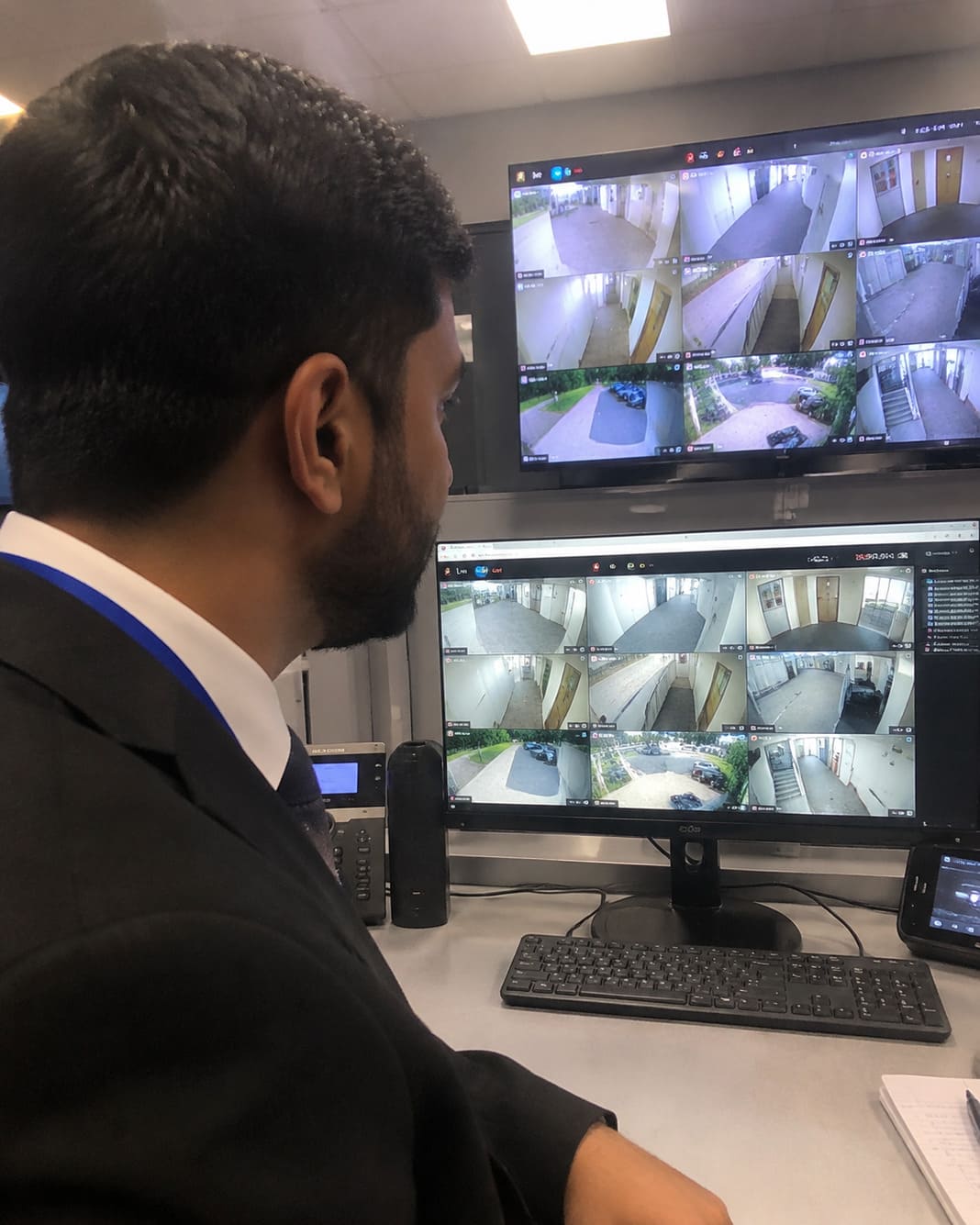
CCTV operator reviews warehouse camera feeds to verify alarms and activity remotely.
Common questions about student accommodation security
Can landlords put CCTV in shared areas?
CCTV can be used in shared areas where it has a lawful purpose, is signposted and is operated properly. Bedrooms and private living areas need a much higher privacy bar, so cameras should be kept to appropriate shared locations.
What should happen when a student loses a key fob?
The old fob should be dealt with through a clear access card procedure, and staff should record what was replaced or changed. The aim is to stop misuse without leaving the resident unable to access support.
Can security staff enter student rooms?
Room entry should be controlled, justified and recorded where staff access a bedroom in the student’s absence. Security staff should never treat bedroom access as casual or unlimited.
Do student halls need SIA licensed guards?
Student halls need SIA licensed staff where contracted work involves licensable security activity, such as manned guarding or key holding. The activity being carried out matters more than the job title on the rota.
Does Martyn’s Law already require changes in student accommodation?
Martyn’s Law has been enacted, but GOV.UK guidance says there is no requirement to comply until it comes into force. Larger higher education premises that may fall within scope can still use the implementation period to prepare sensible procedures.
This is general information, not professional advice.
