

Key points
- There's no single price for a security guard. Every contract is quoted for the site.
- A quote starts with guard hours, then adds the cost of running the service.
- Costs are usually higher in London and for specialist services.
- Check for extra costs that aren't shown in the first quote.
How much does it cost to hire a security guard in the UK?
Hiring a security guard in the UK has no single price. Every contract is quoted to the site, because the cost depends on the hours, the number of guards, the location, the level of risk and how quickly you need cover. This guide explains what drives the price, what a fair quote should include and how to compare firms, so you can budget with confidence.
One figure is fixed by law: the wage floor. Since 1 April 2026 the National Living Wage has been £12.71 an hour for workers aged 21 and over, and it rises to £13.21 on 1 April 2027. A guard’s pay is only part of what you pay for, as the sections below show.
What Do We Cover In This Article?

What goes into a security guard quote?
A guarding quote starts with guard hours, then adds the cost of running the service. Firms usually price by the hour, by the shift or as a fixed monthly fee, depending on the length of the assignment.
What are the main parts of a security guard price?
Guard hours: how many hours you need, and when. A round-the-clock post is 168 hours a week, which takes a rotating team, not one guard.
Pay and employment costs: wages at or above the National Living Wage, plus employer National Insurance, holiday pay, sick cover and pension.
Licensing and vetting: SIA licences, background screening and DBS checks.
Management: supervision, scheduling and 24-hour support.
Equipment and insurance: uniform, radios and patrol tools, plus employer and public liability insurance.
Short-term jobs and one-day events often cost more per guard hour than long contracts, because the set-up work is spread over fewer hours.
Pro Tip : Always check if VAT and holiday pay are included in quoted security rates to avoid hidden charges later.
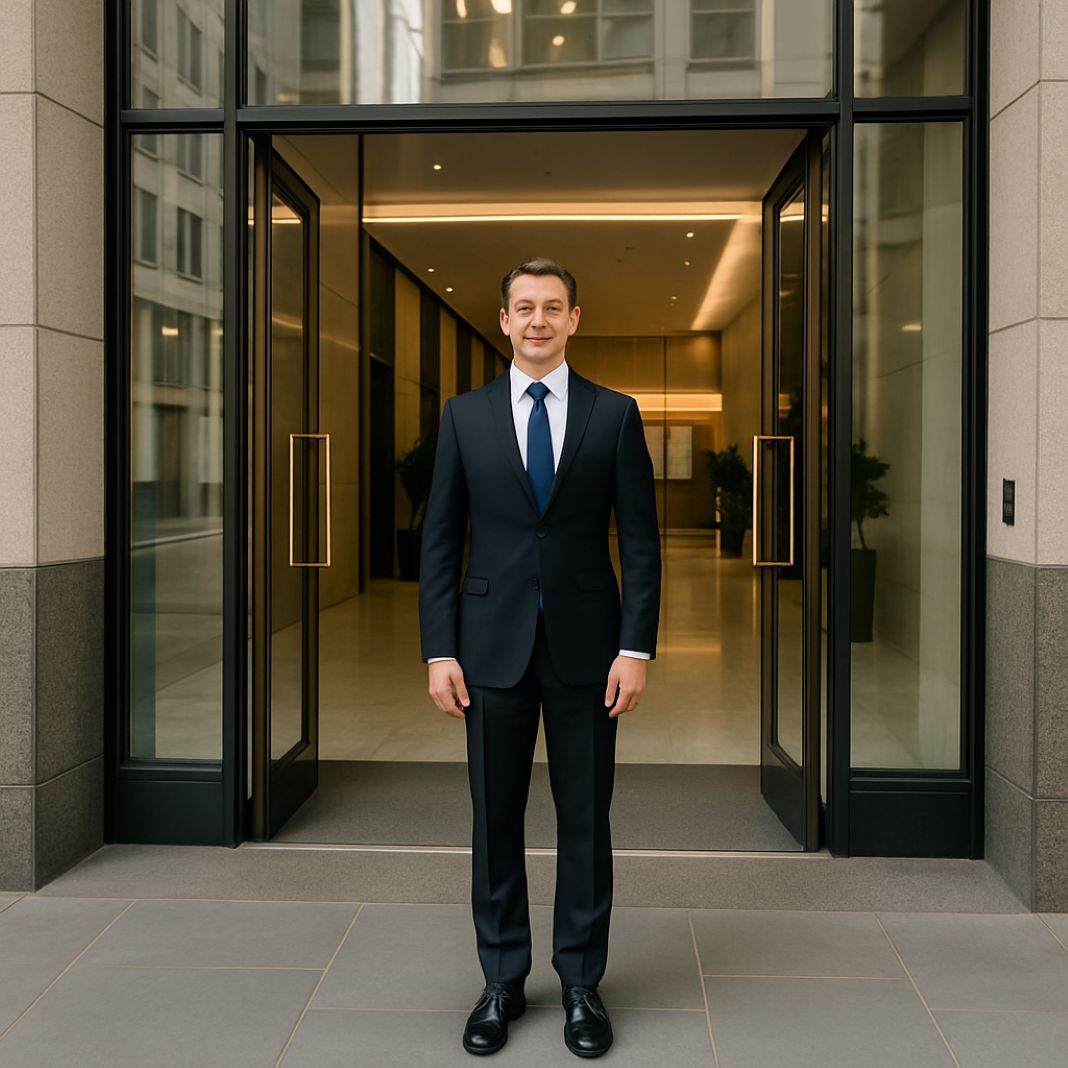
How does the type of security service affect your cost?
Retail Security Services
Shops, supermarkets and retail centres often use static guarding services to watch stock, deter theft and improve safety. These roles involve customer service, basic CCTV monitoring and foot patrols. Footfall, opening hours and the value of your stock decide how many guards a store needs, and many retailers add a plain-clothes store detective to a uniformed guard. See our retail security guard services.
Event Security Staff
Event venues, festivals and sports stadiums rely on SIA-licensed event guards to manage access, respond to emergencies and keep crowds moving. The cost follows the size of the crowd, the number of entry points and the hours, including set-up and close-down. Larger events also need planning time before the day.
For more details on hiring guards for public venues, visit our page on event security services.
Construction Site Security
Construction sites are common targets for tool theft and site damage. Most need overnight guarding, often supported by mobile patrols. The cost depends on the size of the site, the number of entry points and how long the build runs. It usually covers asset protection, perimeter checks and reporting of trespassers. On larger developments, remote CCTV towers can reduce the number of guards needed. Our guide to construction site security costs explains this in more detail.
Mobile Patrols
Mobile patrols suit sites that need several scheduled visits, such as business parks, schools or warehouses. A visit can include lock-up checks, alarm resets and keyholding. The price depends on the number of visits, the distance between sites and the checks you need. They are cost-effective where continuous guarding is not required.
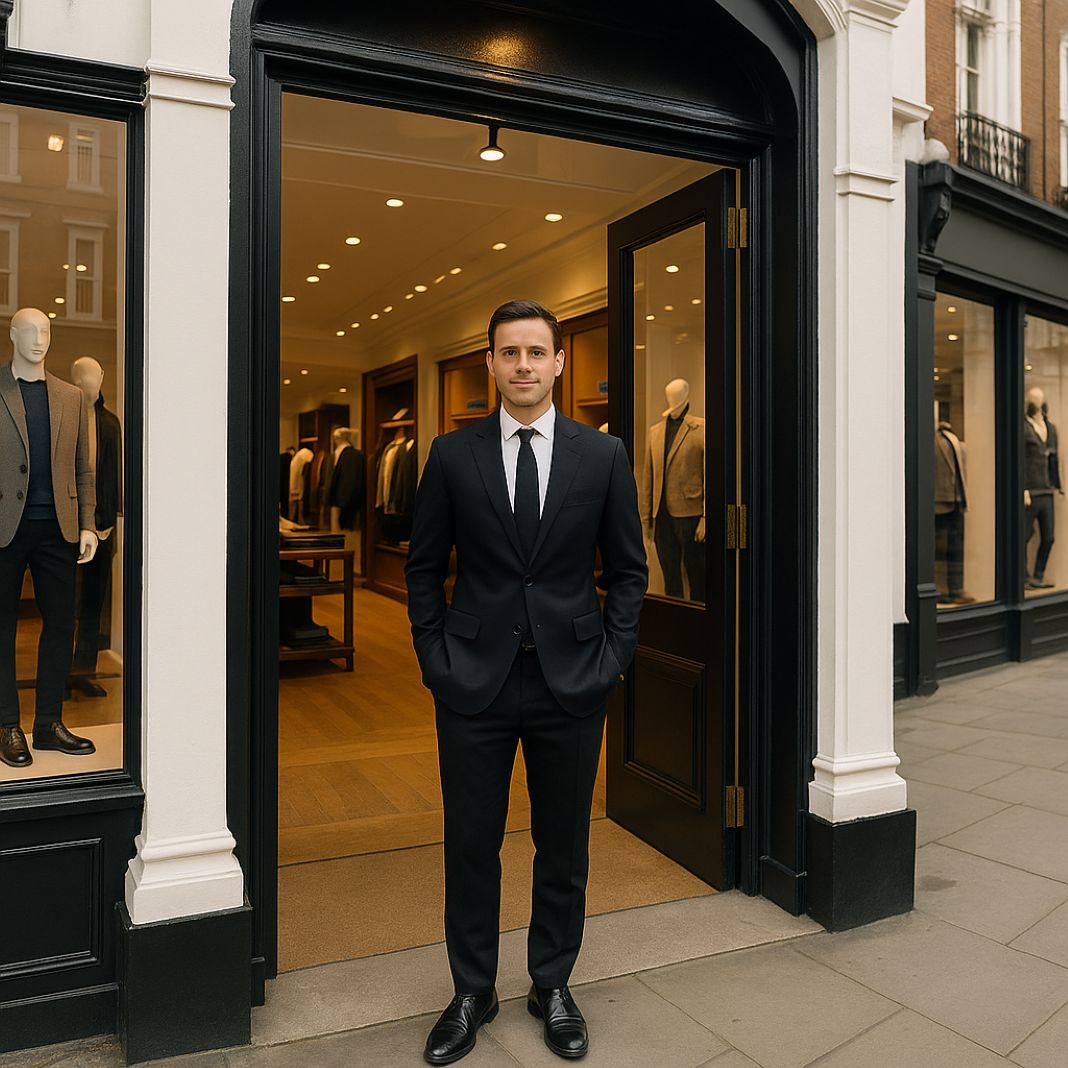
How much more does security cost in London compared to other regions?
Security guard costs in London are usually higher than elsewhere in the UK because of operational overheads, higher wage expectations and licensing premiums. Cover in central locations can also bring extra costs, such as the congestion charge or parking.
How location affects a quote
London: higher wages and living costs mean guarding is usually priced above the rest of the UK.
Midlands, North West and Scotland: prices follow local wage levels and demand, and are usually steadier.
Rural areas: fewer available guards and longer travel times can push the price up.
The voluntary Real Living Wage, set by the Living Wage Foundation, is £14.10 an hour across the UK and £15.45 in London for 2026 to 2027. Some clients ask their security supplier to pay it, and that changes the quote.
What factors influence a security guard quote?
Time and shift pattern: Overnight or public holiday shifts often cost more
Guard qualifications: Guards with fire safety, first aid or advanced conflict management training may expect higher pay
Level of site risk: Sites with hazardous access or public exposure usually need experienced officers
Length of contract: Longer contracts give a firm more certainty, which can help when agreeing terms
Insurance needs: High-liability environments need enhanced insurance, which affects pricing
For example, night shifts on a construction site cost more to provide than daytime cover, because night work needs higher pay and extra supervision.
Pro Tip : Always ask for real incident reports when vetting a security vendor. They reveal how teams actually perform under pressure.
Do bodyguards and specialist security services cost more?
Specialist services such as close protection and canine units cost more than standard guarding because of the training, vetting and equipment involved. Each one is quoted to the job.
Close Protection and VIP Security
Close protection officers are trained in surveillance detection, hostile environment awareness and tactical driving. They work with high-profile clients or in places where security intelligence is essential. The price depends on the number of officers, the length of the assignment and the level of threat.
Specialist protection services often involve advance route planning, background checks and contingency planning on the ground.
Dog Handlers and Canine Security Units
Canine patrol services add deterrent value through trained scent detection and the presence of a handler. These units suit vacant construction plots, warehouses and large public events. All dog units must be fully insured and follow strict licensing and animal welfare guidelines set by industry regulators.

How can you compare security quotes and choose a reliable company?
Choosing a trustworthy security firm means balancing cost with quality and legal compliance. Comparing quotes takes more than looking at the hourly charge.
What to look for in a professional security firm
- Confirm each operative holds a valid SIA licence
- Check employer and public liability insurance certificates
- Look for approved contractor scheme (ACS) status or IPSA membership
- Request a complete rate breakdown, including VAT, equipment and overtime
- Ask how the charge covers wages, National Insurance, holiday pay and supervision
Warning signs of a low-quality quote
- A price far below the other quotes, with no explanation
- A charge that barely clears the National Living Wage, leaving no room for employer costs
- No mention of uniformed guards, training or licences
- Vague proposals with unclear service terms
- Inconsistent communication or lack of written confirmation
Always ask for references, testimonials and clarity on how the company vets and trains its security personnel.
Need a quote for a security guard?
Tell us about your site and hours, and we’ll put together a clear quote.
What are the extra costs you might not see upfront?
Some costs are not always detailed in the initial quote. These include fees related to employee entitlements and job-specific requirements.
Be aware of:
- VAT if excluded from quoted rates
- Holiday and sick leave cover for contracted guards
- Uniform and personal protective equipment (PPE) charges
- Insurance markups for guarding high-risk or remote sites
- Mileage and urban parking costs for mobile patrols or site access
A detailed service-level agreement (SLA) should make these items clear before you sign any contract.
How do you count the guard hours in a quote?
Every quote comes down to guard hours multiplied by a charge for each hour, plus extras. Counting the hours yourself helps you check a quote. These are example scenarios, not real invoices, and they show hours only. They apply to UK commercial guarding arrangements:
Retail Security Over a Weekend
- Coverage: 12 hours a day on Saturday and Sunday
- Guard hours: 24
Festival Security Team
- Coverage: 10 guards for 10 hours
- Guard hours: 100
Construction Site at Night
- Coverage: 1 guard, 10 hours a night for 20 nights
- Guard hours: 200
Ask each firm for its charge per guard hour and for every extra, then multiply. This shows how shift volume, site type and duration change the total.
What are the cost-effective alternatives to full-time guards?
If your site doesn’t need 24-hour coverage, consider technology-based or hybrid alternatives.
Mobile Patrol Services
Mobile security patrols carry out timed or ad-hoc visits to your premises. Each visit typically includes alarm checks, perimeter review and access validation. They suit properties that don’t need round-the-clock presence.
CCTV Surveillance Towers and Pods
These are often used on construction projects, retail forecourts or vacant commercial buildings. They provide cloud-connected towers with visual verification and remote speaker intervention.
Combining Guards with Technology
A hybrid security model uses fewer guards on site, supported by technology such as motion-activated CCTV and access control systems. This approach suits logistics depots, schools and commercial units where site traffic is low outside operating hours.
Why do you pay more than the security guard earns?
The gap between a guard’s pay and your invoice reflects more than just profit. Providers manage operational infrastructure that includes:
- Vetting and DBS checks
- Uniform supply and maintenance
- Scheduling and 24-hour client support
- Management and supervision
- SIA licensing (£204 for a three-year licence) and re-training
- Holiday pay, pension and employer National Insurance (15% on earnings above £5,000 a year for each employee)
This cost structure ensures service reliability, legal coverage and responsive backup in emergencies.
Why are security prices likely to rise in the coming years?
Several developments affect UK guarding costs:
- The National Living Wage rose to £12.71 an hour in April 2026 and rises to £13.21 in April 2027
- Employer National Insurance has been 15% above £5,000 a year for each employee since April 2025
- The SIA licence fee rose from £184 to £204 on 1 April 2026
- Recruitment challenges linked to sector turnover and vetting requirements
- Higher client demand across healthcare, public venues and construction
Most of these costs are set by law, so firms cannot avoid them. Ask each supplier how it will handle the April changes during your contract.
How can you budget smartly for your security needs?
Smart budgeting starts with a clear understanding of your actual risk and peak exposure hours.
Here are a few tested strategies:
- Consider longer-term guarding contracts, which can help you agree better terms
- Use mobile patrols and remote monitoring where continuous cover isn’t necessary
- Schedule coverage during high-risk windows only
- Ask for itemised breakdowns to identify avoidable extras
You can also review your plan with a security consultant to align your costs with service effectiveness. Many clients find success by combining visible deterrents like CCTV with limited hours of on-site coverage.

