What is Cross-Contamination in Office Environments and Why Does It Matter?
Cross-contamination refers to the transfer of harmful germs and bacteria from one surface or person to another. In office environments, this can occur easily due to shared spaces and equipment. Common sources include high-touch surfaces like door handles and communal kitchens, which can harbour germs leading to health risks and decreased productivity. It is important to understand these risks to maintain a healthy workplace
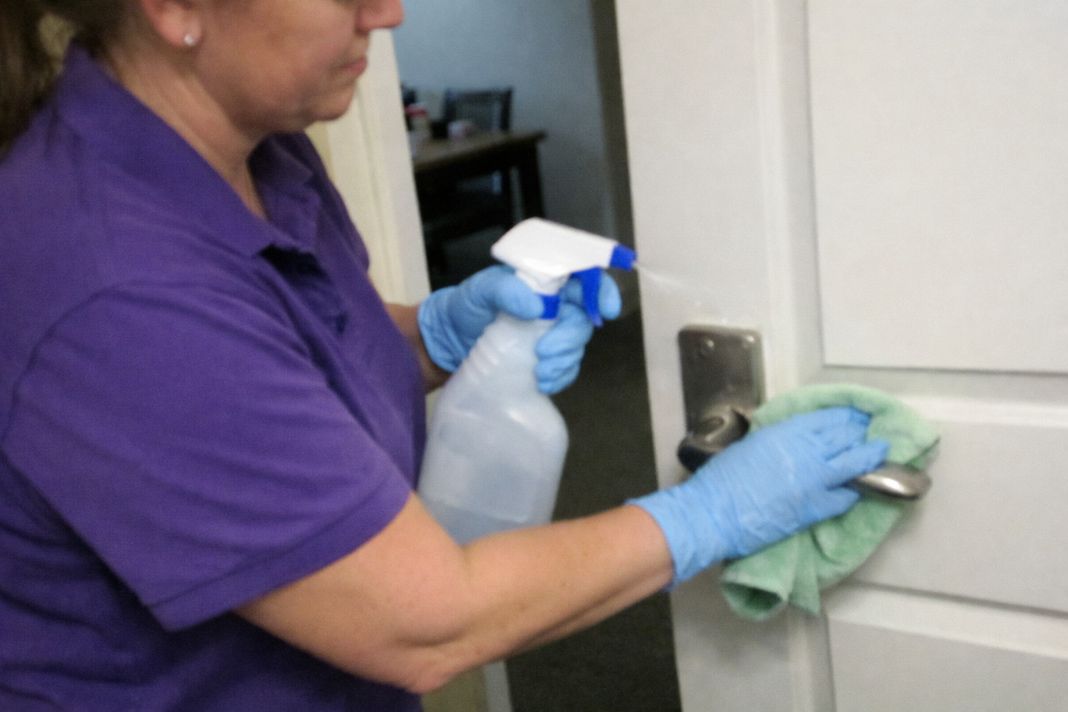
A representative photo of an cleaner in a purple polo t shirt and appropriate gloves cleaning a high-touch surface with disinfectant
What Do We Cover In This Article?
Identifying High-Risk Areas in the Office
Certain areas in an office are more prone to cross-contamination. Recognising these hotspots allows for targeted cleaning efforts. Here are some of the most common high-risk areas:
- Door handles and light switches
- Shared equipment such as printers and copiers
- Communal kitchens and break rooms
- Shared desks and meeting rooms
Focusing on these areas can significantly reduce contamination risks.
Implementing Effective Cleaning Protocols
Establishing strong cleaning protocols is key to preventing cross-contamination. The following steps can help:
- Develop a regular cleaning schedule that includes daily and weekly tasks.
- Use appropriate disinfectants targeted at eliminating germs effectively.
- Ensure staff are trained on cleaning procedures and the importance of hygiene standards.
These protocols, grounded in ISO 9001 standards, help maintain cleanliness and reduce the spread of contaminants.
Schedule a Cleaning Consultation
Training Staff on Hygiene Practices
Educating staff is important to maintaining sanitation standards. Training should cover key hygiene practices, such as proper handwashing and responsible use of shared facilities. Effective training can involve workshops, ongoing education, and feedback sessions to ensure staff remain engaged and up-to-date with best practices.
Utilising Technology in Cleaning Practices
Technology can significantly improve office cleaning practices. Tools such as automated cleaning devices and smart sensors can streamline operations and improve hygiene. Implementing monitoring systems allows for efficient tracking of cleaning activities, ensuring that areas are cleaned consistently and thoroughly.
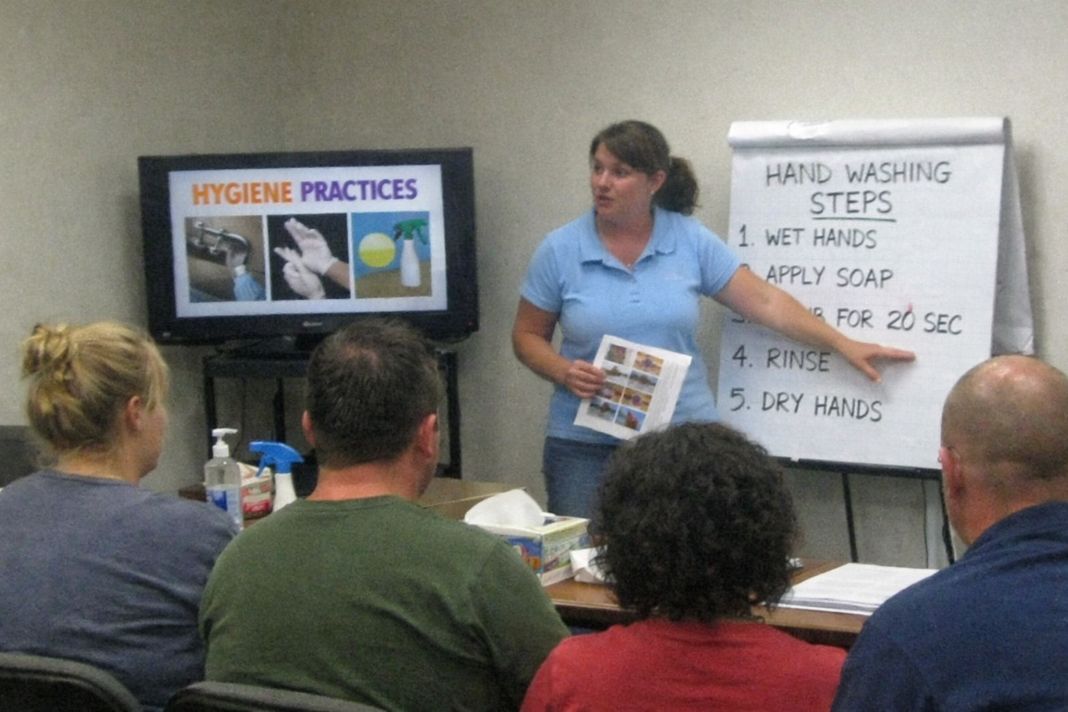
A representative photo of a training session where employees learn hygiene practices
Establishing a Culture of Cleanliness
Fostering a culture that prioritises cleanliness can transform office environments. Encouraging personal responsibility, implementing hygiene policies, and rewarding positive behaviour can all contribute. A clean desk policy, for instance, can motivate employees to maintain their spaces, helping to prevent the spread of germs.
Monitoring and Continuous Improvement
For sustained hygiene standards, continuous monitoring and improvement are necessary. Regular audits and assessments can identify areas for enhancement, while feedback loops allow for timely adjustments. This proactive approach ensures that cleaning practices evolve to meet new challenges effectively.
By integrating these strategies, offices can effectively prevent cross-contamination and promote a healthier, more productive workplace.
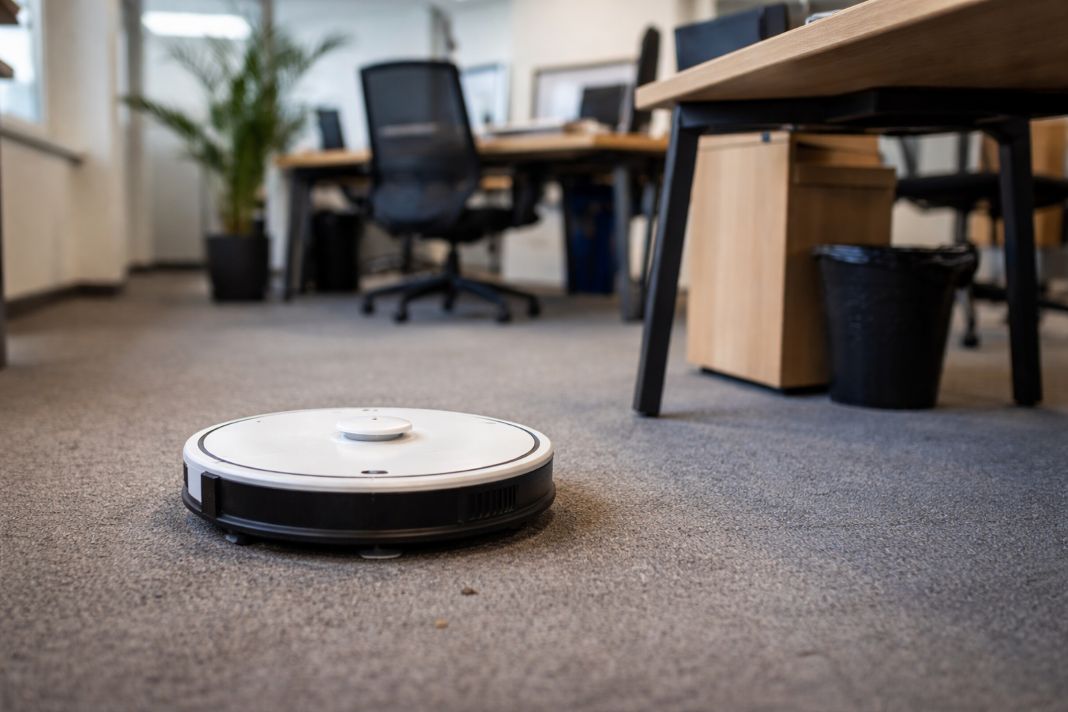
A representative photo of an automated cleaning device working in an office space